Designing a home office that truly works for you is about more than just placing a desk and chair in a spare room. It’s about creating an environment that supports focus, inspiration, and efficiency — where every element, from the lighting to the layout, contributes to how you feel and perform throughout the day.
Whether you’re working full-time from home or just need a quiet space for creative projects, thoughtful design choices can make a world of difference.
A well-designed workspace not only reflects your personal style but also shapes your mindset. The right combination of colors, comfort, and organization can transform your productivity levels and make each workday feel more balanced. In this guide, you’ll discover practical, detailed tips for crafting a home office that enhances both your workflow and your well-being, so you can work smarter, stay motivated, and actually enjoy spending time in your space.
Designing a Space That Reflects Your Workflow
Before you start buying furniture or picking out paint colors, think about how you actually work. Your home office should enhance your workflow, not disrupt it. Some people need wide, open desks with plenty of surface space for spreading out papers or dual monitors. Meanwhile, others work better with compact, minimalist setups that help them stay focused on a single task. Take note of your habits, your needs, and the types of projects you handle each day, as this will guide every design decision that follows.
Lighting, layout, and location all play key roles in supporting your productivity. If possible, position your desk near a window to take advantage of natural light; it helps improve energy levels and reduces eye strain. For those who prefer quiet, consider setting up your workspace in a low-traffic area of the house. A well-defined office zone encourages structure, helping you mentally separate work from relaxation time.
The size of your workspace should also reflect your daily requirements. Someone working primarily from a laptop might thrive with simply a small desk and ergonomic chair, while creative professionals who rely on various physical materials, like designers or architects, may benefit from more expansive work surfaces or modular setups. When you align your workspace design with your personal work rhythm, you create a foundation for efficiency and focus.
Lighting, layout, and location all play key roles in supporting your productivity. If possible, position your desk near a window to take advantage of natural light; it helps improve energy levels and reduces eye strain. For those who prefer quiet, consider setting up your workspace in a low-traffic area of the house. A well-defined office zone encourages structure, helping you mentally separate work from relaxation time.
The size of your workspace should also reflect your daily requirements. Someone working primarily from a laptop might thrive with simply a small desk and ergonomic chair, while creative professionals who rely on various physical materials, like designers or architects, may benefit from more expansive work surfaces or modular setups. When you align your workspace design with your personal work rhythm, you create a foundation for efficiency and focus.
Prioritizing Ergonomics for Comfort and Health
Ergonomics might sound technical, but it’s simply about designing a workspace that supports your body and prevents strain. Start with your chair and desk height. Your feet should rest flat on the floor, with your knees at a 90-degree angle and your elbows comfortably aligned with the desk surface. An adjustable chair is often worth the investment since it allows you to fine-tune your posture throughout the day.
Monitor placement is equally important. Your screen should be at eye level, about an arm’s length away. This helps reduce neck strain and eye fatigue, especially during long work sessions. If you use a laptop, consider adding a stand to raise it to the proper height and pairing it with an external keyboard and mouse.
Don’t overlook the benefits of movement. Sitting all day can drain your energy and stiffen your muscles, so try incorporating a standing desk or a sit-stand converter. Alternating between sitting and standing keeps your body engaged and helps maintain better focus. You can also introduce a small area for stretching or use a balance board to stay active while you work. Every ergonomic detail adds up to a workspace that supports your well-being and productivity.
Monitor placement is equally important. Your screen should be at eye level, about an arm’s length away. This helps reduce neck strain and eye fatigue, especially during long work sessions. If you use a laptop, consider adding a stand to raise it to the proper height and pairing it with an external keyboard and mouse.
Don’t overlook the benefits of movement. Sitting all day can drain your energy and stiffen your muscles, so try incorporating a standing desk or a sit-stand converter. Alternating between sitting and standing keeps your body engaged and helps maintain better focus. You can also introduce a small area for stretching or use a balance board to stay active while you work. Every ergonomic detail adds up to a workspace that supports your well-being and productivity.
Choosing Colors That Motivate and Inspire
Color psychology plays a powerful role in how you feel while working, as the hues that surround you can either energize or distract you. Cool tones like blues and greens often evoke calm and focus, making them ideal for analytical tasks or writing. Warm tones, such as soft yellows and terracotta shades, can inspire creativity and warmth, perfect for those who rely on brainstorming and ideation.
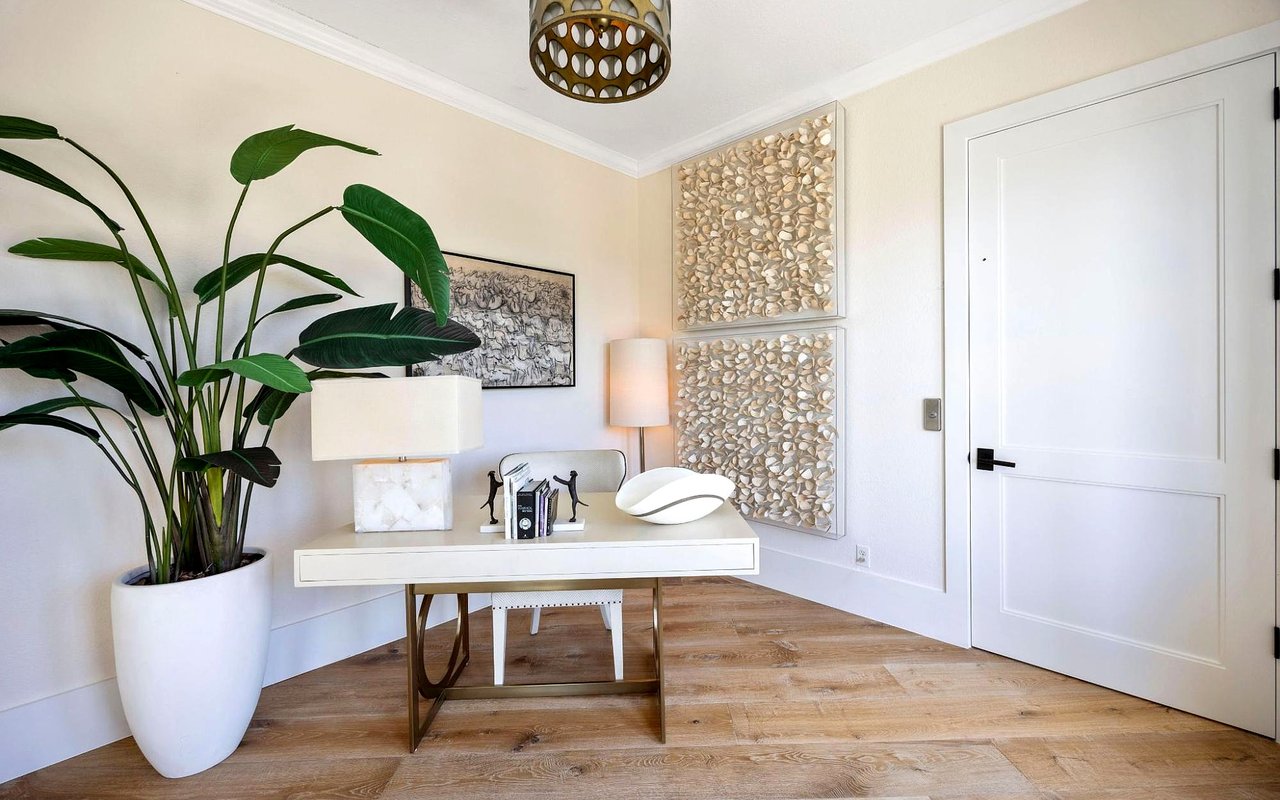
If you’re unsure where to start, keep your palette neutral and use accent colors sparingly. White, beige, or light gray walls create a clean backdrop, while pops of color from artwork, plants, or decorative items add personality. A simple way to test a color scheme is by adding temporary accessories — like cushions or wall art — before committing to fully painting the space.
Lighting also affects how colors appear throughout the day. Natural daylight enhances cool tones, while warm artificial light deepens earthy shades. Combining both creates balance and helps maintain consistent visual comfort. A well-thought-out color palette transforms your home office into a place that reflects your personality and keeps you inspired through every project.
If you’re unsure where to start, keep your palette neutral and use accent colors sparingly. White, beige, or light gray walls create a clean backdrop, while pops of color from artwork, plants, or decorative items add personality. A simple way to test a color scheme is by adding temporary accessories — like cushions or wall art — before committing to fully painting the space.
Lighting also affects how colors appear throughout the day. Natural daylight enhances cool tones, while warm artificial light deepens earthy shades. Combining both creates balance and helps maintain consistent visual comfort. A well-thought-out color palette transforms your home office into a place that reflects your personality and keeps you inspired through every project.
Incorporating Natural Elements for Balance
Bringing elements of nature into your workspace helps reduce stress and improve concentration. Indoor plants, for example, purify the air and introduce life to your environment. Choose low-maintenance options like succulents, snake plants, or pothos if you’re not confident in your gardening skills.
Beyond greenery, think about natural materials. A wooden desk, a bamboo organizer, or a stone accessory can subtly ground your workspace. Even small touches, such as a ceramic mug or a linen desk mat, add tactile warmth that makes your office feel more inviting.
Natural light is one of the most valuable design tools you can leverage. Position your desk near a window when possible, and use sheer curtains to diffuse sunlight without glare. If your office lacks sufficient daylight, invest in a full-spectrum desk lamp that mimics natural light. These small details make your space feel more vibrant and balanced, which can help sustain your creativity and focus throughout the day.
Beyond greenery, think about natural materials. A wooden desk, a bamboo organizer, or a stone accessory can subtly ground your workspace. Even small touches, such as a ceramic mug or a linen desk mat, add tactile warmth that makes your office feel more inviting.
Natural light is one of the most valuable design tools you can leverage. Position your desk near a window when possible, and use sheer curtains to diffuse sunlight without glare. If your office lacks sufficient daylight, invest in a full-spectrum desk lamp that mimics natural light. These small details make your space feel more vibrant and balanced, which can help sustain your creativity and focus throughout the day.
Maximizing Storage and Organization
Clutter can derail productivity faster than almost anything else. The key to an efficient home office is strategic storage that supports your workflow. Start by assessing what you use daily. Keep the essentials within arm’s reach — your laptop, notepads, and key documents — while storing less-used items in drawers or cabinets.
Shelving systems are great for maximizing vertical space, especially in smaller offices. Floating shelves can hold reference materials, décor, or storage bins, freeing up your desktop. Labeling items and using uniform containers creates a visually cohesive look while keeping everything easy to locate.
Cable management is another small detail that makes a notable difference. Use clips, trays, or sleeves to keep cords tidy and prevent tangling. A clean desk surface helps you maintain mental clarity and transition between tasks with ease. When your workspace is organized, you’ll find it easier to focus and stay in control of your daily priorities.
Shelving systems are great for maximizing vertical space, especially in smaller offices. Floating shelves can hold reference materials, décor, or storage bins, freeing up your desktop. Labeling items and using uniform containers creates a visually cohesive look while keeping everything easy to locate.
Cable management is another small detail that makes a notable difference. Use clips, trays, or sleeves to keep cords tidy and prevent tangling. A clean desk surface helps you maintain mental clarity and transition between tasks with ease. When your workspace is organized, you’ll find it easier to focus and stay in control of your daily priorities.
Layering Lighting for Productivity
Lighting shapes the atmosphere of your home office. Relying on a single overhead light often creates shadows or glare, which can lead to eye strain. Instead, use a layered approach with ambient, task, and accent lighting.
Ambient lighting provides general illumination, usually from ceiling fixtures or wall-mounted lights. Task lighting focuses on specific work areas, such as your desk, to ensure clarity while reading or typing. Accent lighting emphasizes décor or adds warmth; think of a floor lamp, LED strip, or art spotlight. Combining these layers allows you to adjust the brightness depending on your activity and time of day.
Choosing the right color temperature is equally important. Cooler light tones (around 5000K) help keep you alert, while warmer tones (2700–3000K) create a relaxed mood for evening work. A dimmable setup offers the flexibility to shift between focused and ambient settings effortlessly.
Ambient lighting provides general illumination, usually from ceiling fixtures or wall-mounted lights. Task lighting focuses on specific work areas, such as your desk, to ensure clarity while reading or typing. Accent lighting emphasizes décor or adds warmth; think of a floor lamp, LED strip, or art spotlight. Combining these layers allows you to adjust the brightness depending on your activity and time of day.
Choosing the right color temperature is equally important. Cooler light tones (around 5000K) help keep you alert, while warmer tones (2700–3000K) create a relaxed mood for evening work. A dimmable setup offers the flexibility to shift between focused and ambient settings effortlessly.
Adding Personality Through Décor
Your workspace should feel like a place you want to spend time in. Decor elements can personalize your environment without cluttering it. Art prints, framed photos, or sculptural pieces express your style while keeping the area professional. If you enjoy minimalism, a single statement artwork or a well-chosen piece of pottery might be enough.
Texture plays a subtle but important role, too. Layering materials — like a soft rug, a metal lamp, or a woven basket — creates depth and comfort. You can also use decorative trays or holders to organize stationery or tech accessories.
Consider adding a scent that enhances focus, such as eucalyptus or citrus, through candles or diffusers. When your surroundings appeal to all the senses, your workspace becomes more than a place for productivity; it becomes an environment that nurtures creativity and calm focus.
Texture plays a subtle but important role, too. Layering materials — like a soft rug, a metal lamp, or a woven basket — creates depth and comfort. You can also use decorative trays or holders to organize stationery or tech accessories.
Consider adding a scent that enhances focus, such as eucalyptus or citrus, through candles or diffusers. When your surroundings appeal to all the senses, your workspace becomes more than a place for productivity; it becomes an environment that nurtures creativity and calm focus.
Balancing Technology and Design
Technology is essential for most home offices, but it shouldn’t dominate your space visually. Cables, chargers, and multiple devices can make even the most beautiful setup look chaotic. Try blending tech seamlessly into your design by concealing cords, choosing wireless peripherals, and using neutral-toned accessories that complement your décor.
Mounting monitors or using a laptop stand helps maintain a clean desk surface. If you rely on multiple screens, align them neatly to avoid visual clutter. Consider investing in a docking station that connects all your devices through a single hub, making setup more straightforward.
You can also integrate smart lighting or voice-controlled systems to adjust brightness and temperature effortlessly. While tech should enhance efficiency, the goal is to make it feel invisible so that your focus stays on the work — not the tools.
Mounting monitors or using a laptop stand helps maintain a clean desk surface. If you rely on multiple screens, align them neatly to avoid visual clutter. Consider investing in a docking station that connects all your devices through a single hub, making setup more straightforward.
You can also integrate smart lighting or voice-controlled systems to adjust brightness and temperature effortlessly. While tech should enhance efficiency, the goal is to make it feel invisible so that your focus stays on the work — not the tools.
Bringing It All Together
Designing your home office isn’t about replicating a corporate space; it’s about building an environment that truly supports how you work. Every decision, from lighting and layout to color and comfort, plays a role in your daily productivity and efficiency. When your workspace feels intuitive and tailored to your habits, it encourages focus, creativity, and long-term motivation.
If you’re ready to find the home of your dreams in Naples, FL, with the perfect office setup, Amy Nease is by your side. Recognized as one of the top 1.5% of Realtors in the United States, Amy has the top-tier skills and insight to help you achieve your goals.
If you’re ready to find the home of your dreams in Naples, FL, with the perfect office setup, Amy Nease is by your side. Recognized as one of the top 1.5% of Realtors in the United States, Amy has the top-tier skills and insight to help you achieve your goals.