What Does 2026 Hold for the Gulf Coast Real Estate Market?
By Budge Huskey – Featured on Herald Tribune
With many in the industry relieved that an underwhelming 2025 is now behind us, it’s a fitting moment to reflect on how the year concluded and to consider what may lie ahead.
A National Market Still Searching for Momentum
Nationally, 2025 marked the third consecutive year in which home sales barely cleared the four million mark—well below levels one might expect based on historical patterns and long-term demographic trends. That result comes as little surprise given persistent affordability challenges, the lock-in effect of higher mortgage rates, and a broader sense of economic and geopolitical uncertainty. Mobility in America, simply, was at an all-time low.
Gulf Coast Markets Show Resilience
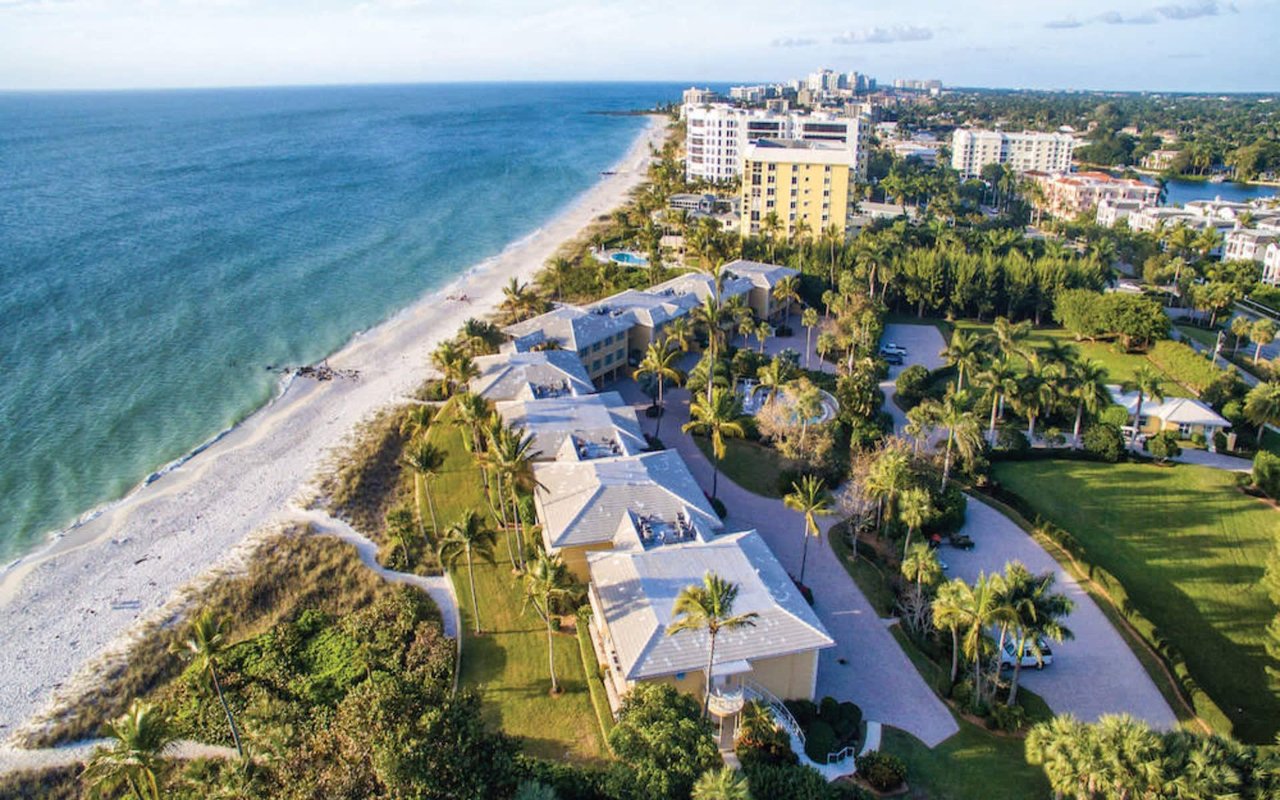
Along Florida’s Gulf Coast, the market faced additional headwinds stemming from the lingering effects of past storms—impacts that remain visible in several areas today. Even so, both the Sarasota and Naples markets managed to finish the year with gains in the number of homes sold, particularly within the single-family segment, driven by improving momentum in the second half of the year.
Average prices continued to rise in Naples, while Sarasota experienced modest softening.
Year-over-year comparisons were admittedly influenced by storm-affected periods in the prior year. Still, both Naples and Sarasota posted several consecutive months late in 2025 with notable increases in the number of homes sold.
Condominiums lagged, largely due to buyer hesitation around the predictability of future holding costs, but single-family homes emerged as nothing short of a star.
Renewed Optimism Heading Into 2026
The new year has brought a renewed sense of optimism fueled by early-season energy, and there is little doubt opportunity exists for further improvement. That gap suggests a meaningful path ahead, particularly given the absence of storm disruptions this past season—the significance of which cannot be overstated.
Even with the encouraging finish to 2025, total annual sales remained roughly 25 percent below peak levels and approximately 15 percent below 2019, often referenced as the last normal year in real estate.
National Outlook vs. Gulf Coast Reality
Looking forward nationally, forecasts for 2026 vary widely, but an average of the most credible projections points to a roughly 5 percent increase in closed sales and continued, though more muted, price appreciation of about 2 percent. Those figures would describe a solid, if unspectacular, year.
Here on the Gulf Coast, however, our market has rarely mirrored national trends. We dramatically outpaced the country during the COVID years and then fell behind in the period that followed. What should be considered normal for our region almost certainly sits above current conditions.
A Market Divided by Price Point
Any meaningful market assessment must also acknowledge the growing divergence by price segment. Nationally, in 2025, homes priced above $1 million were the only category to record growth, while more moderately priced segments experienced notable declines.
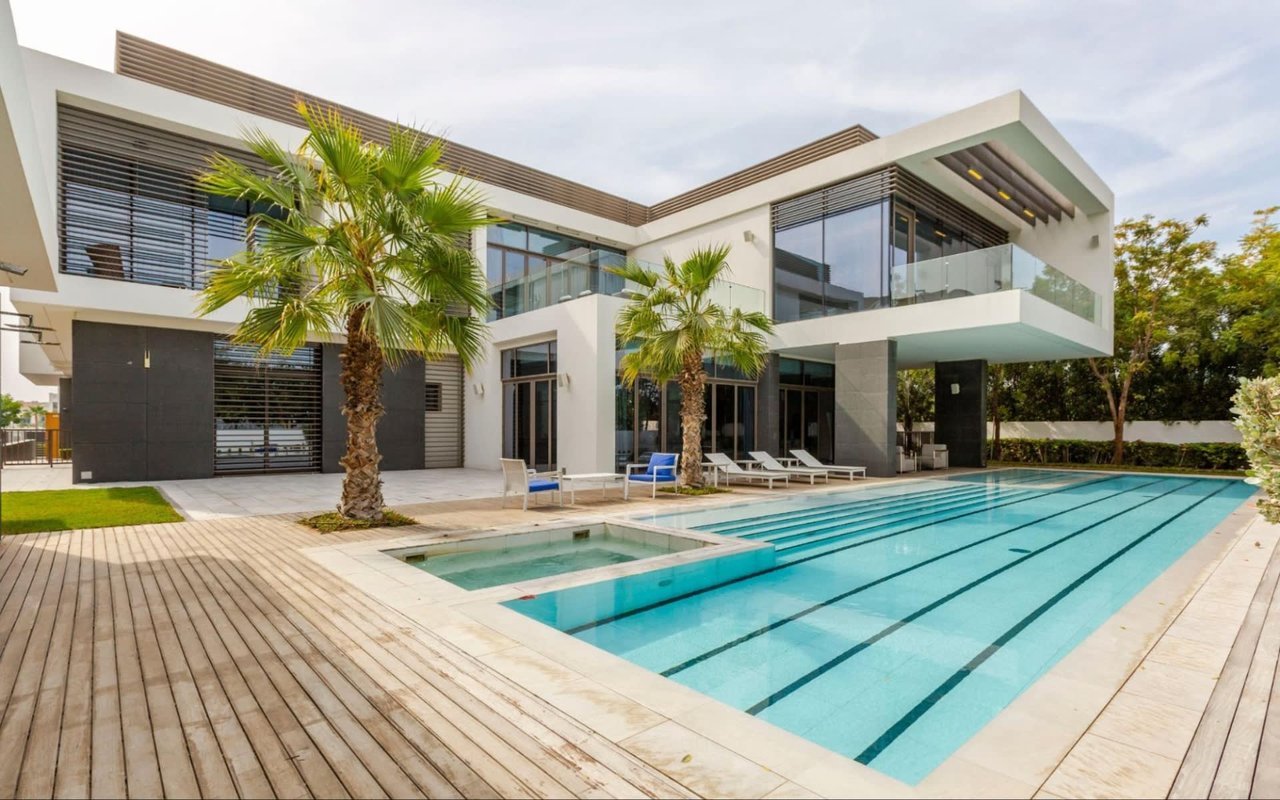
This reflects broader economic forces and the emergence of what many describe as a K-shaped economy—one producing disparate outcomes for those with financial means versus those without. Luxury led the market last year, and there is every reason to believe it will do so again.
Since 2020, prices in our local markets have risen by roughly 50 percent. A prominent economist recently observed that, to restore affordability to pre-COVID levels, wages would need to increase by more than 50 percent, interest rates would need to fall into the low 2 percent range, or home prices would need to decline by roughly 35 percent.
That reality helps explain the slowdown in sales below $500,000, even as Florida continues to set records at the ultra-luxury end.
Florida’s Growing Appeal
The state is simply becoming more expensive and, in turn, increasingly attractive to a more affluent buyer. While understandably unsettling in many ways, this trajectory appears unlikely to reverse in the year ahead.
As I type this article, much of the country is grappling with snow, ice, and bitter cold, while those around us are basking in warmth in flip-flops and sundresses. My sunny optimism for the year ahead may invite debate, but one fact remains beyond dispute: there are still many who want to be here—and in 2026, they will continue to find their way.