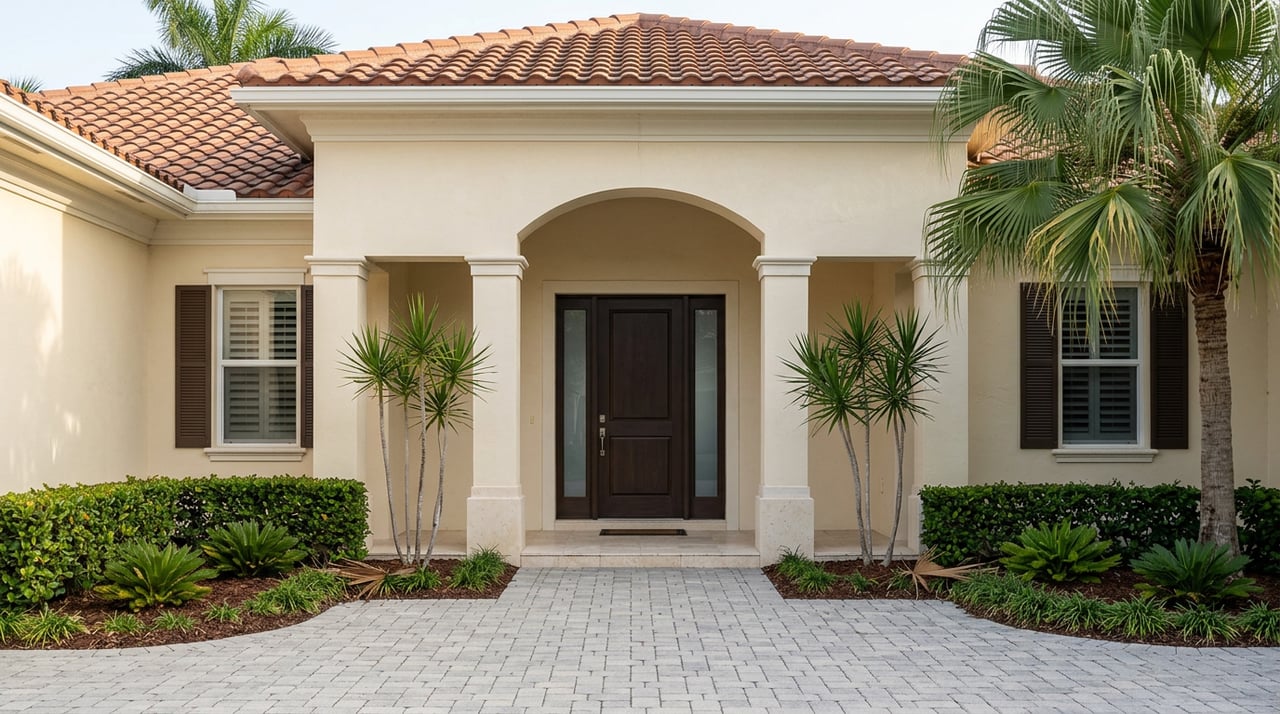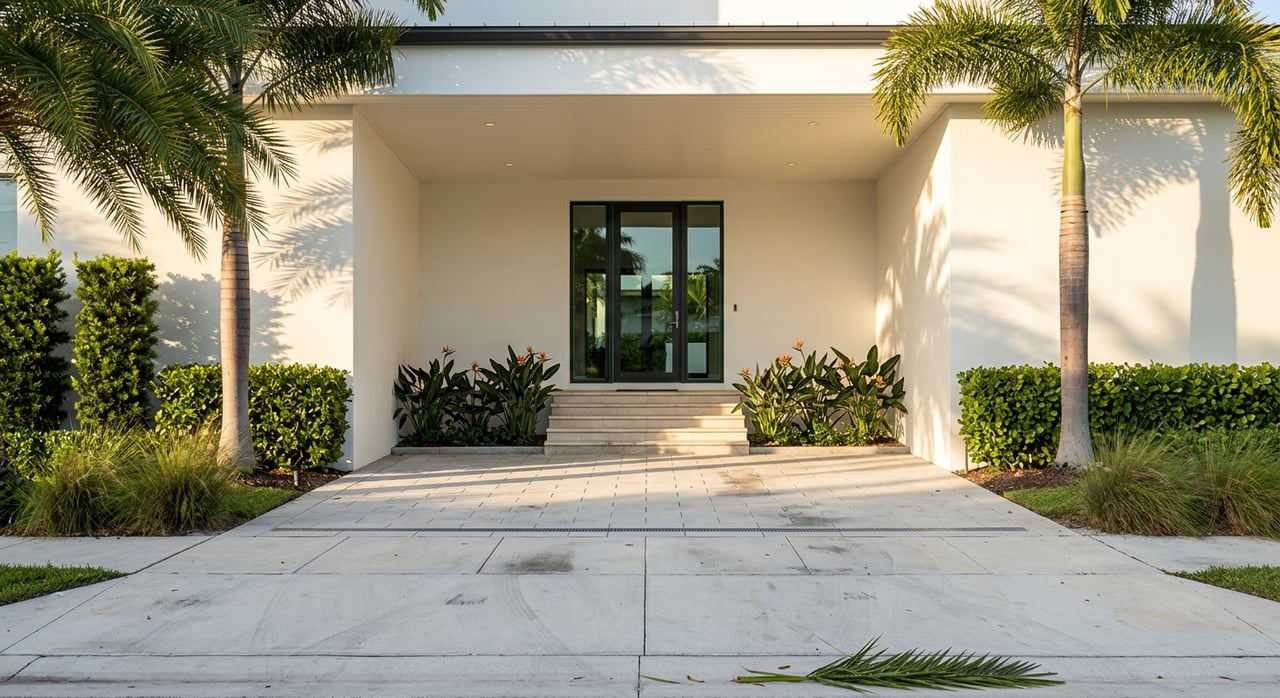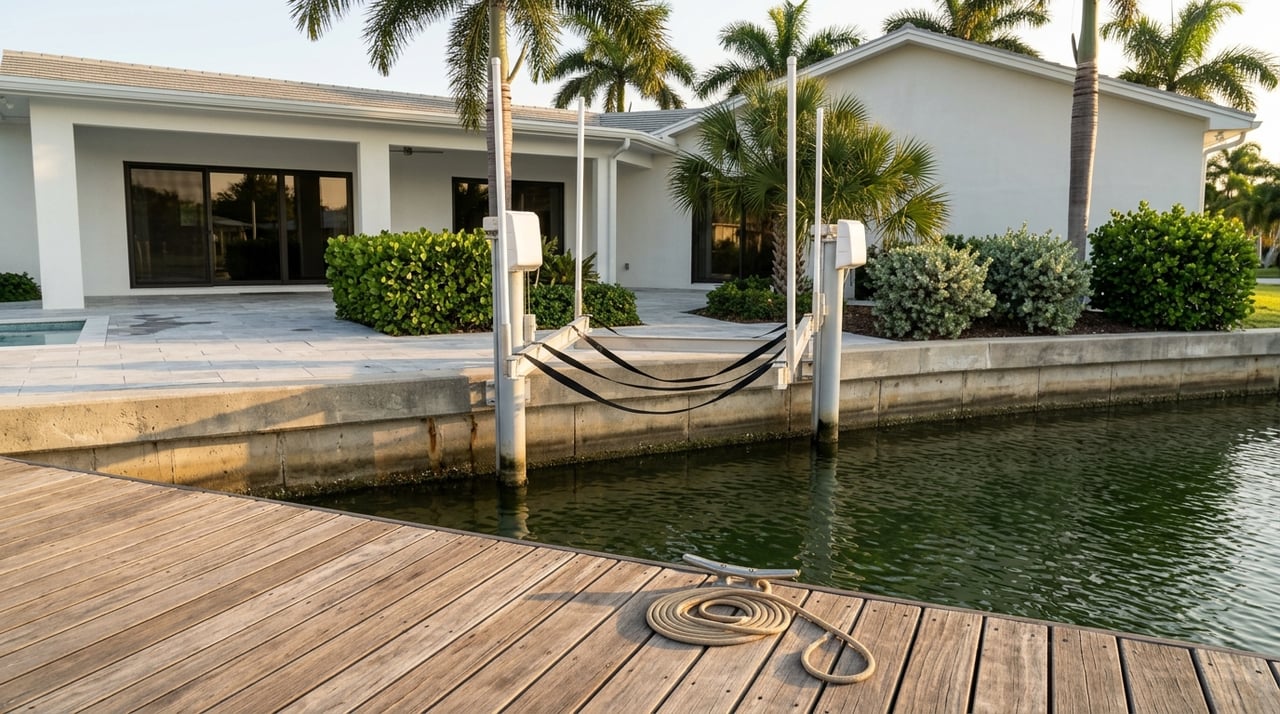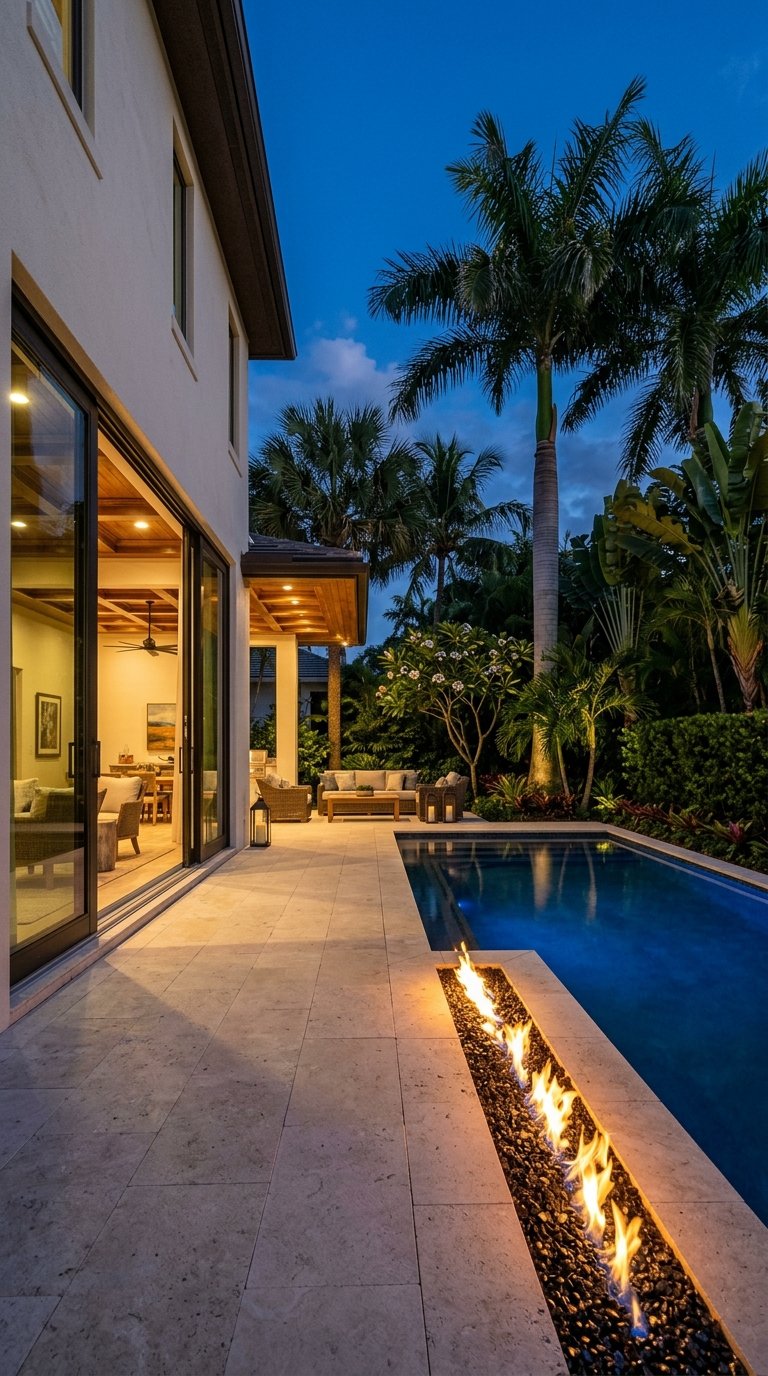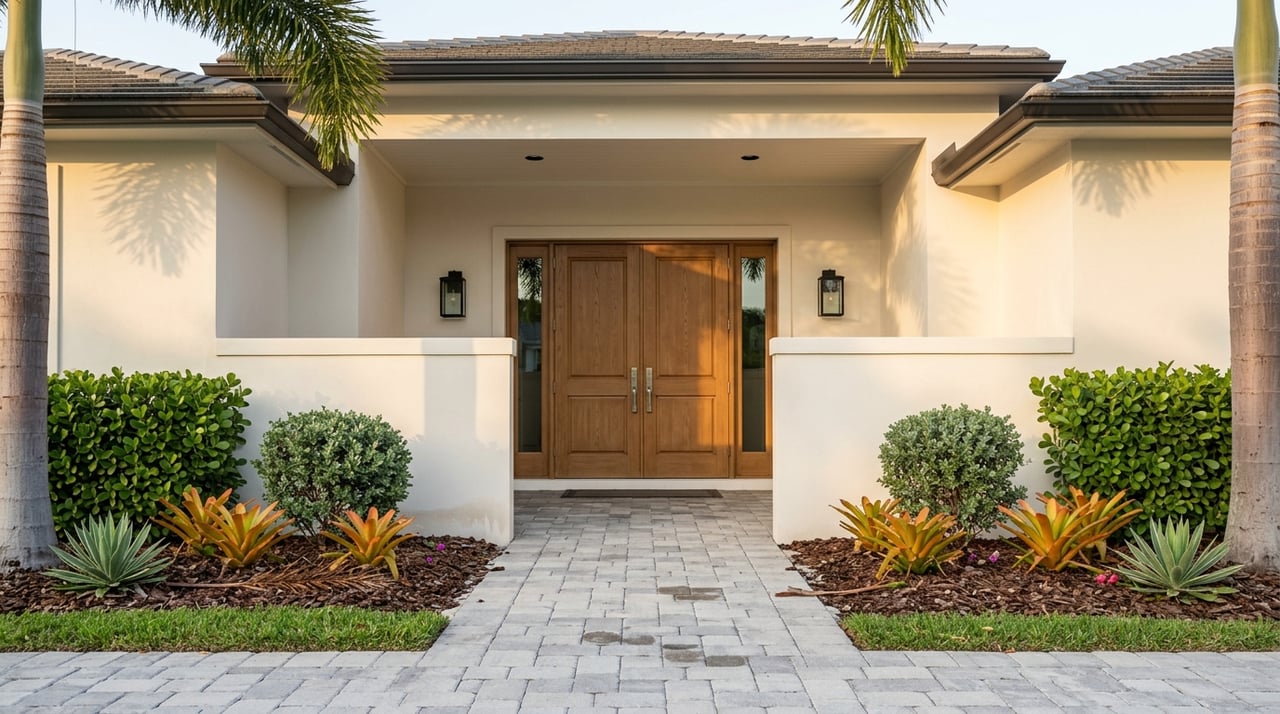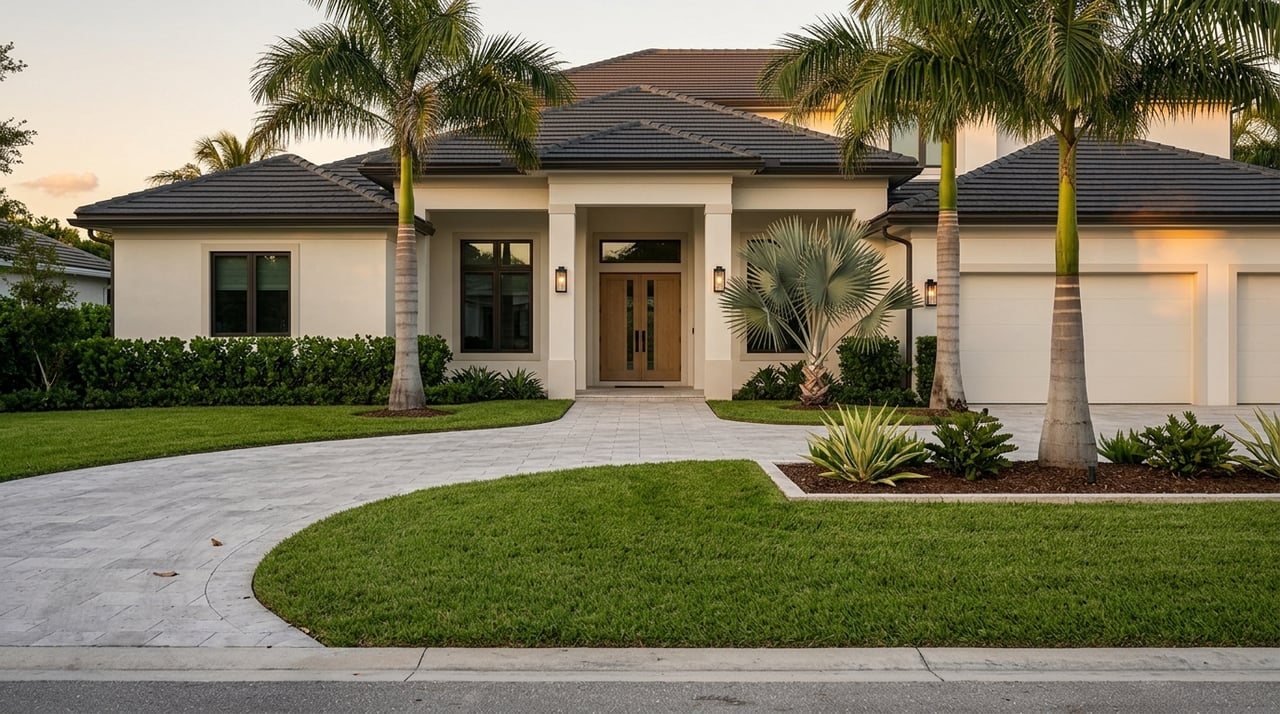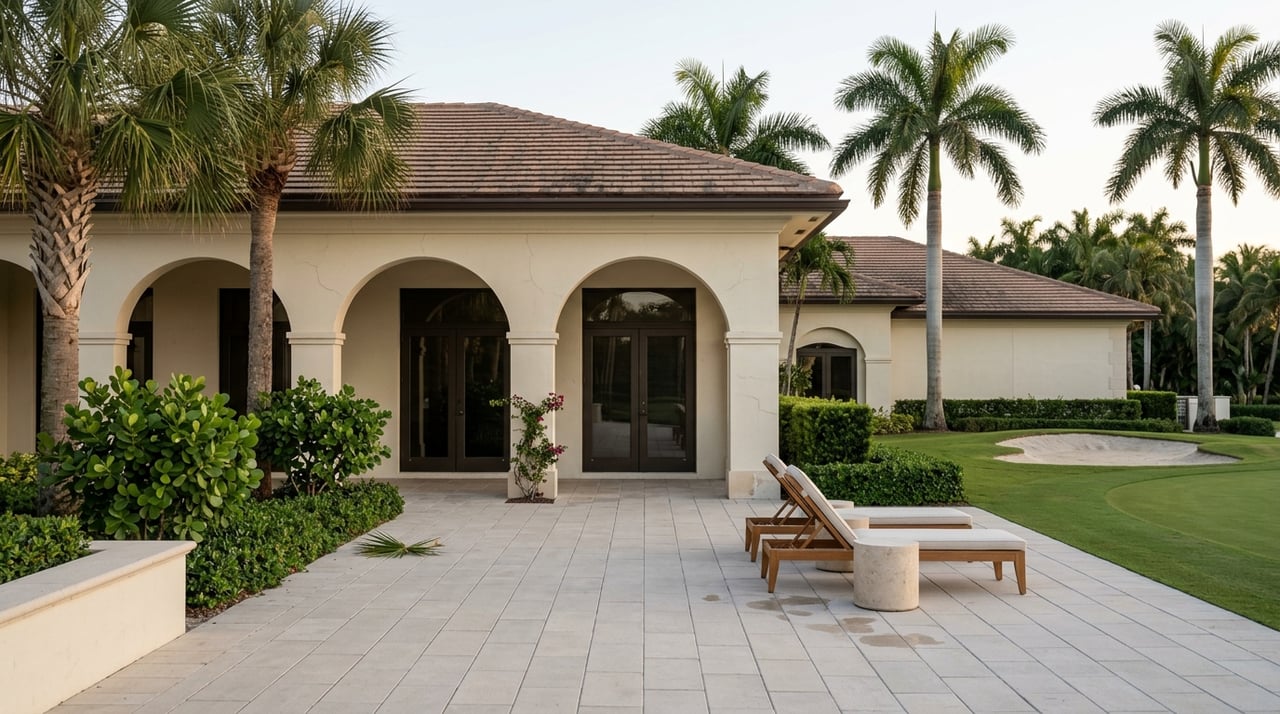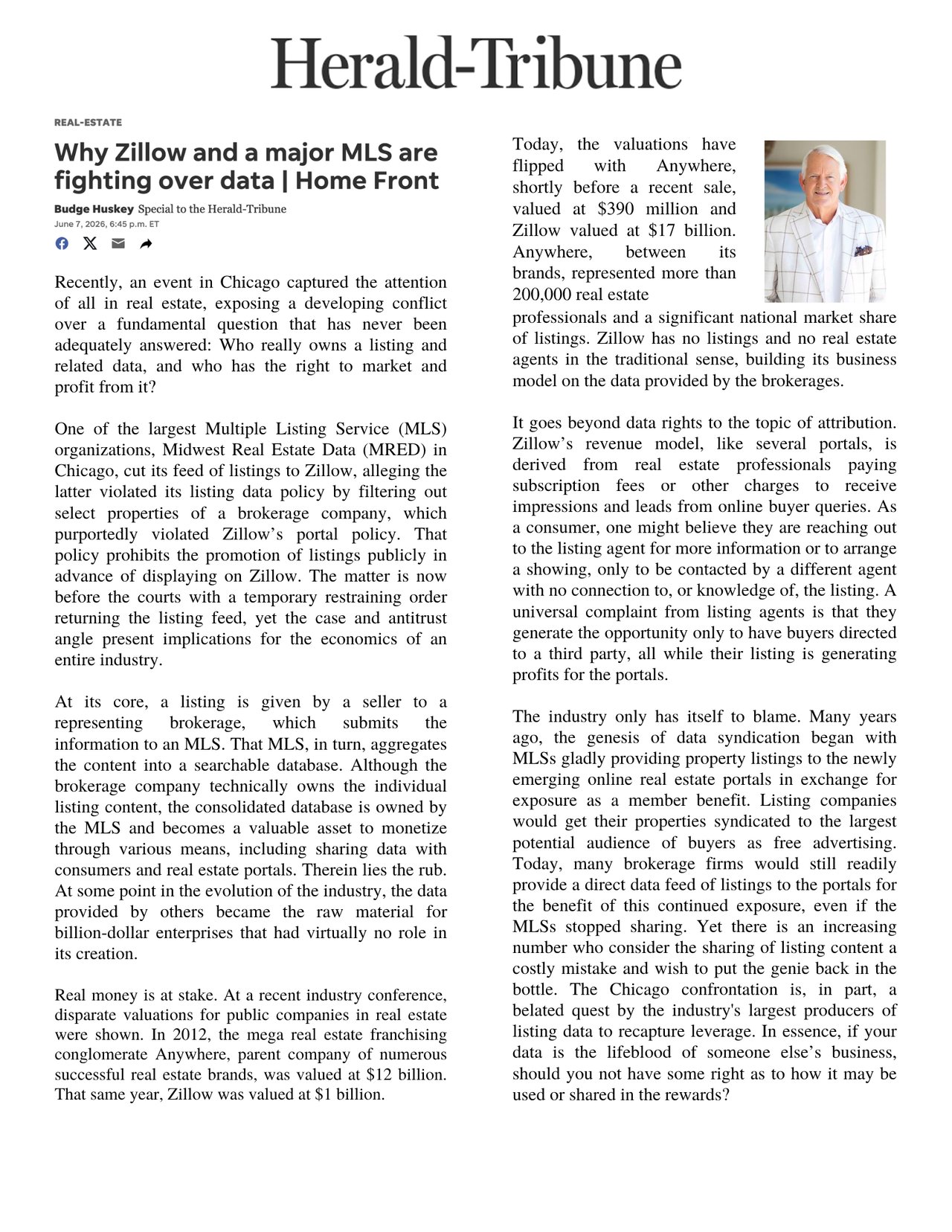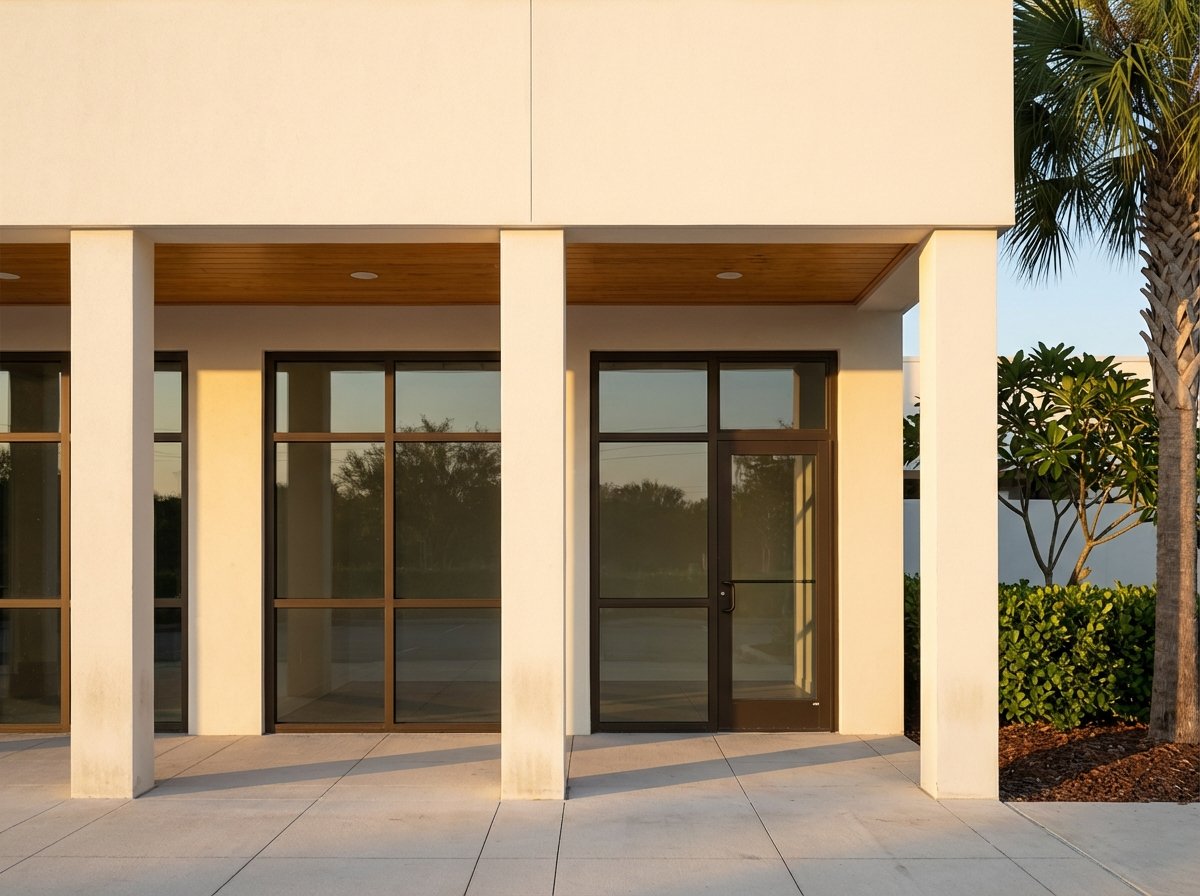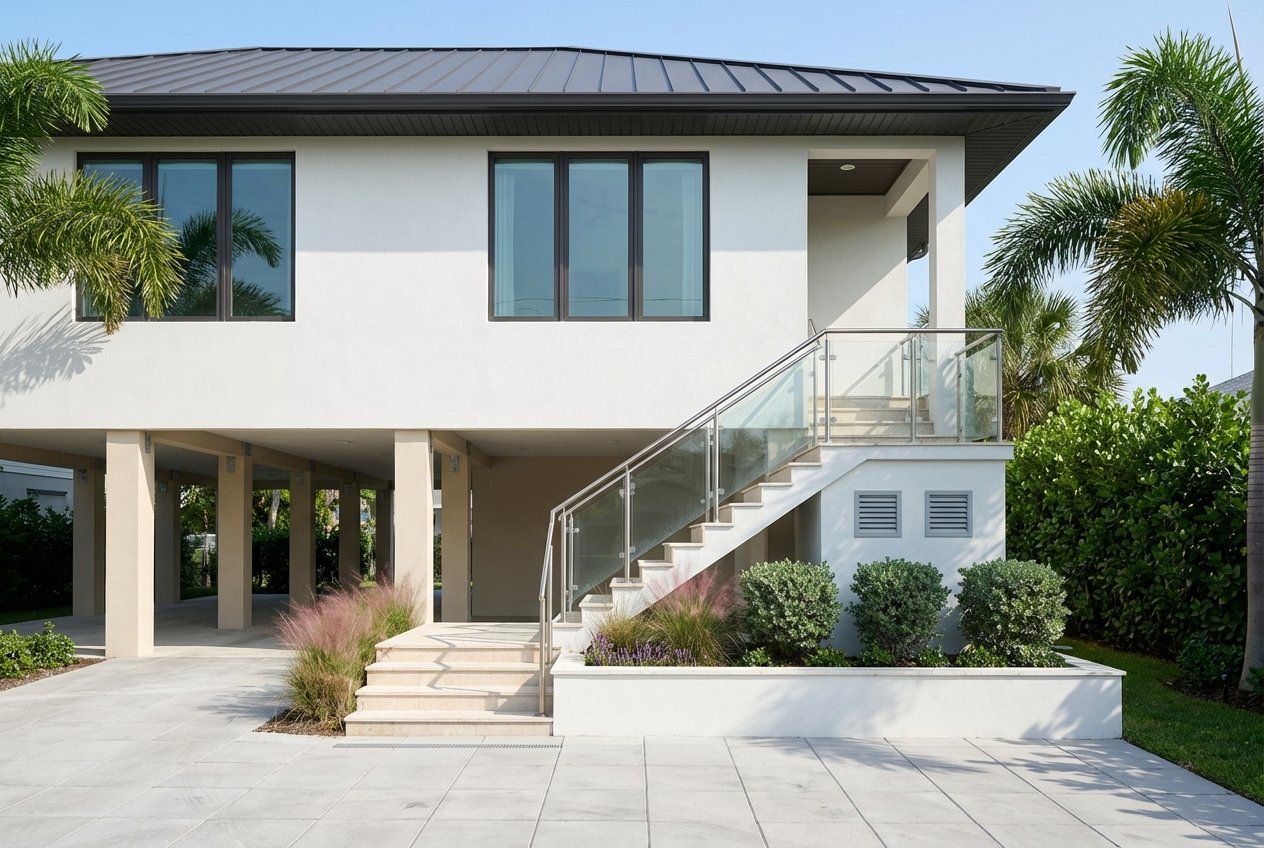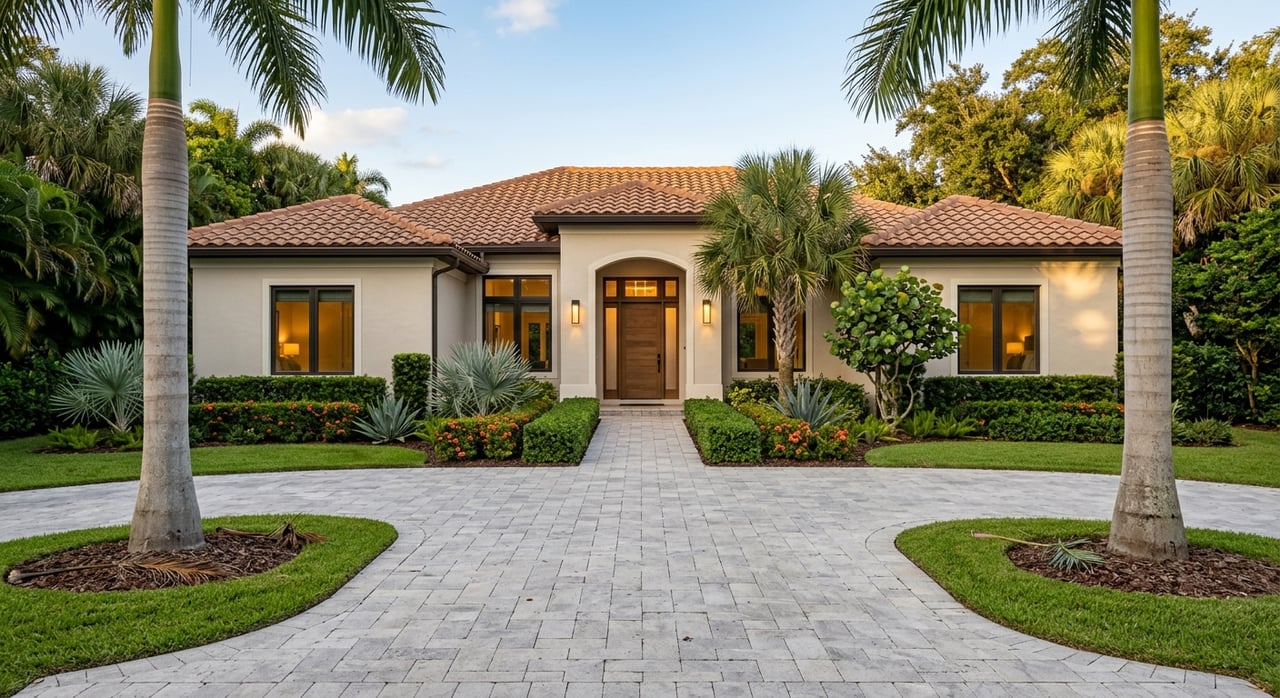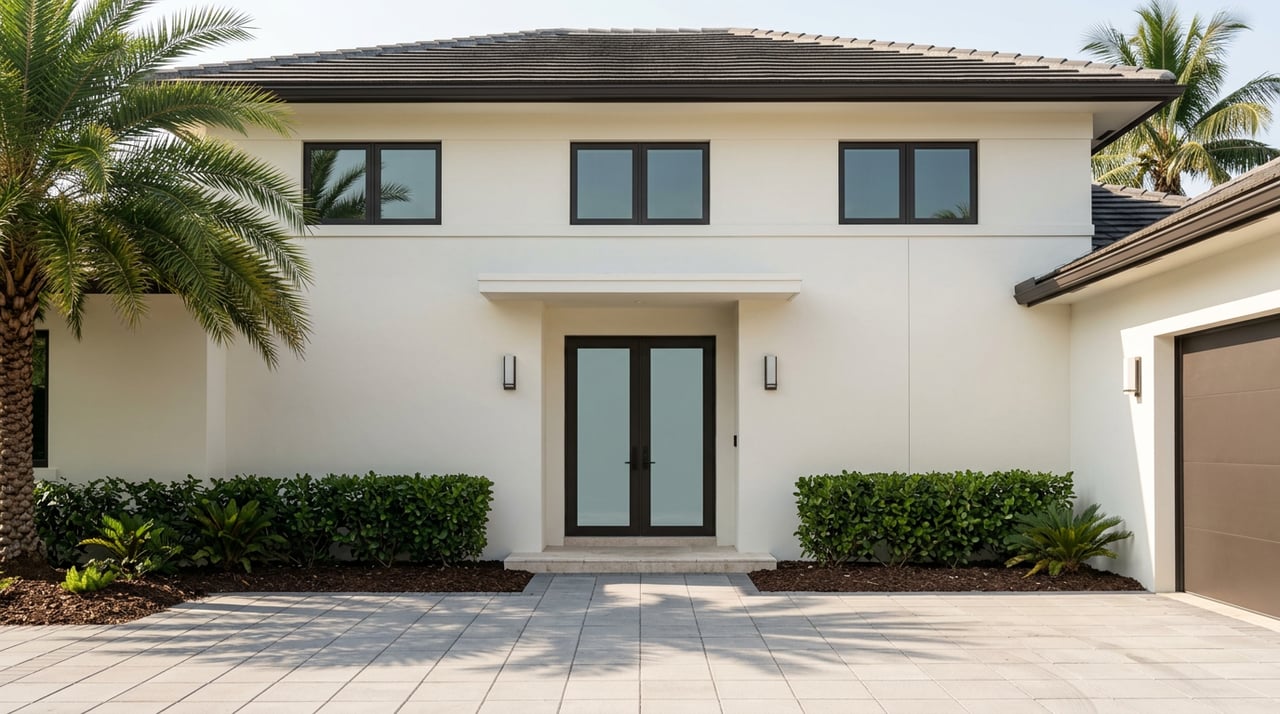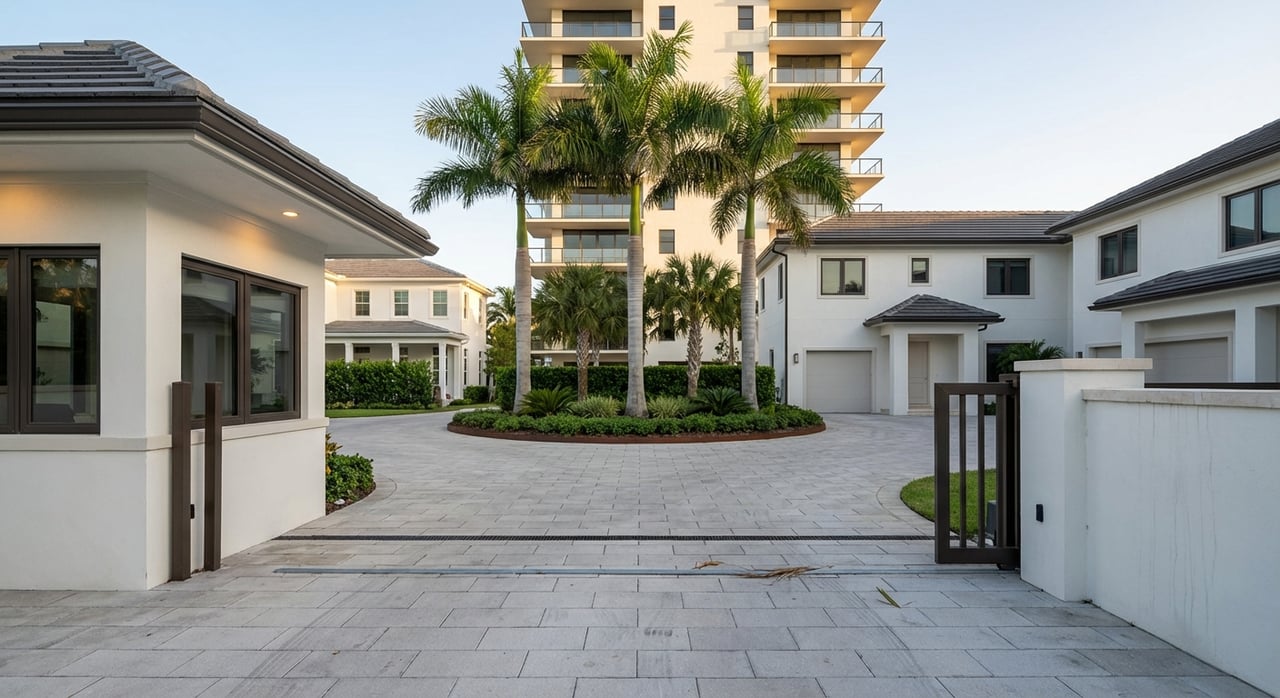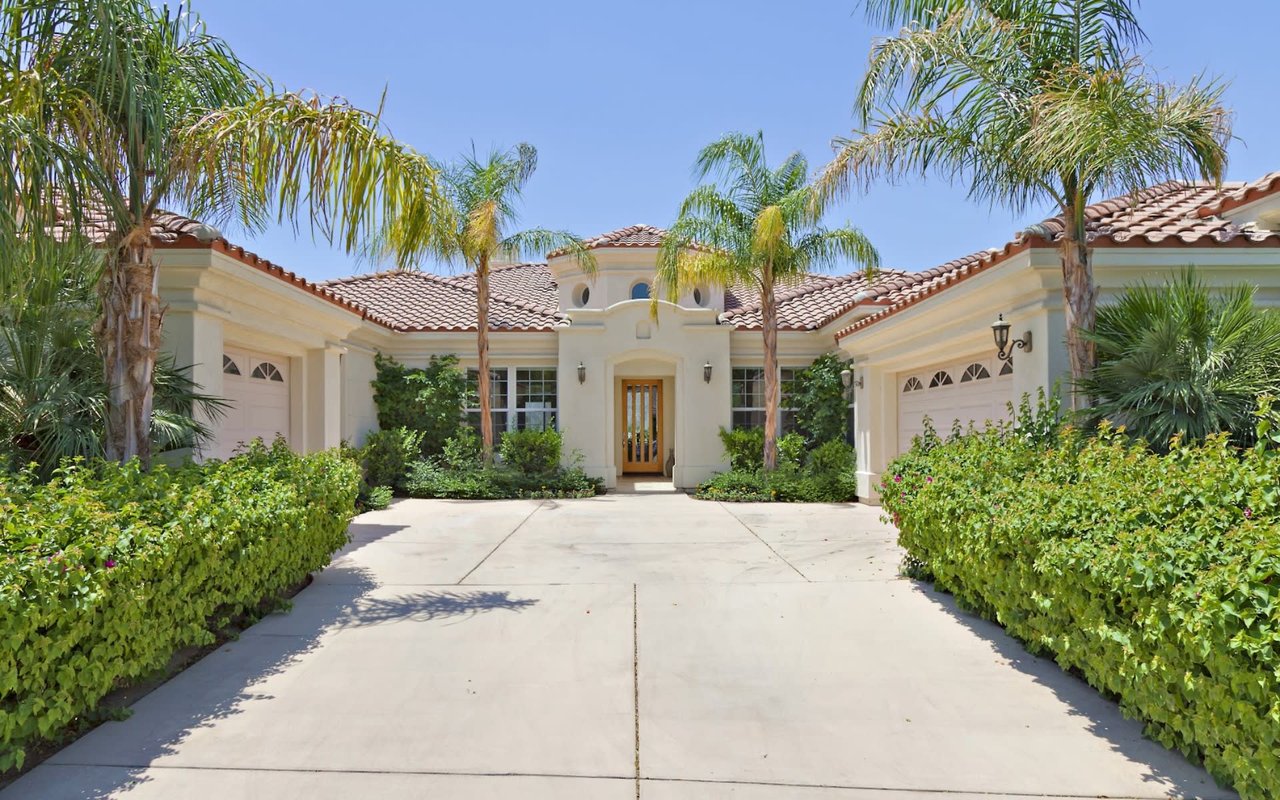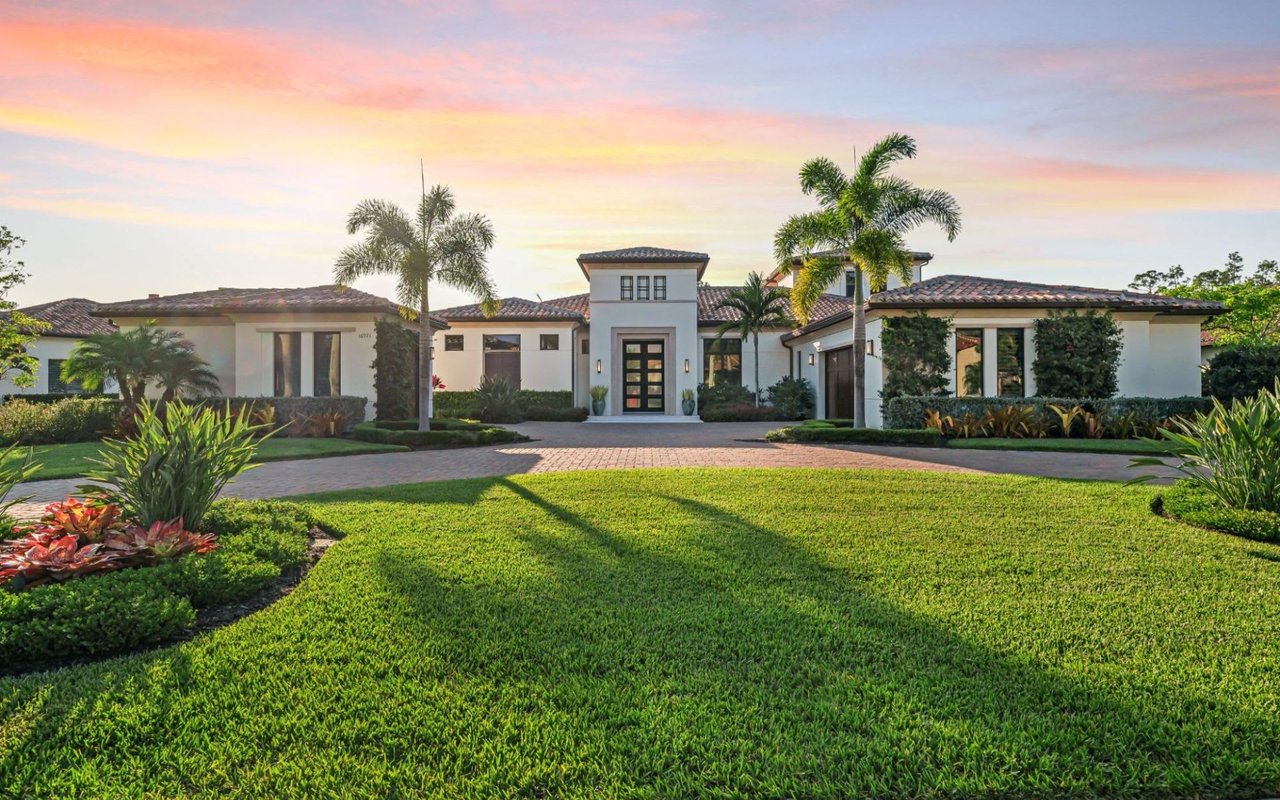
Choosing in Pelican Bay is not just about square footage. It is about how you want to live, how much maintenance you want to manage, and how comfortable you are with the rules and costs that come with each ownership style. If you are deciding between a condo, villa, or single-family home in Pelican Bay, this guide will help you compare the tradeoffs with more clarity. Let’s dive in.
Why Pelican Bay Feels Different
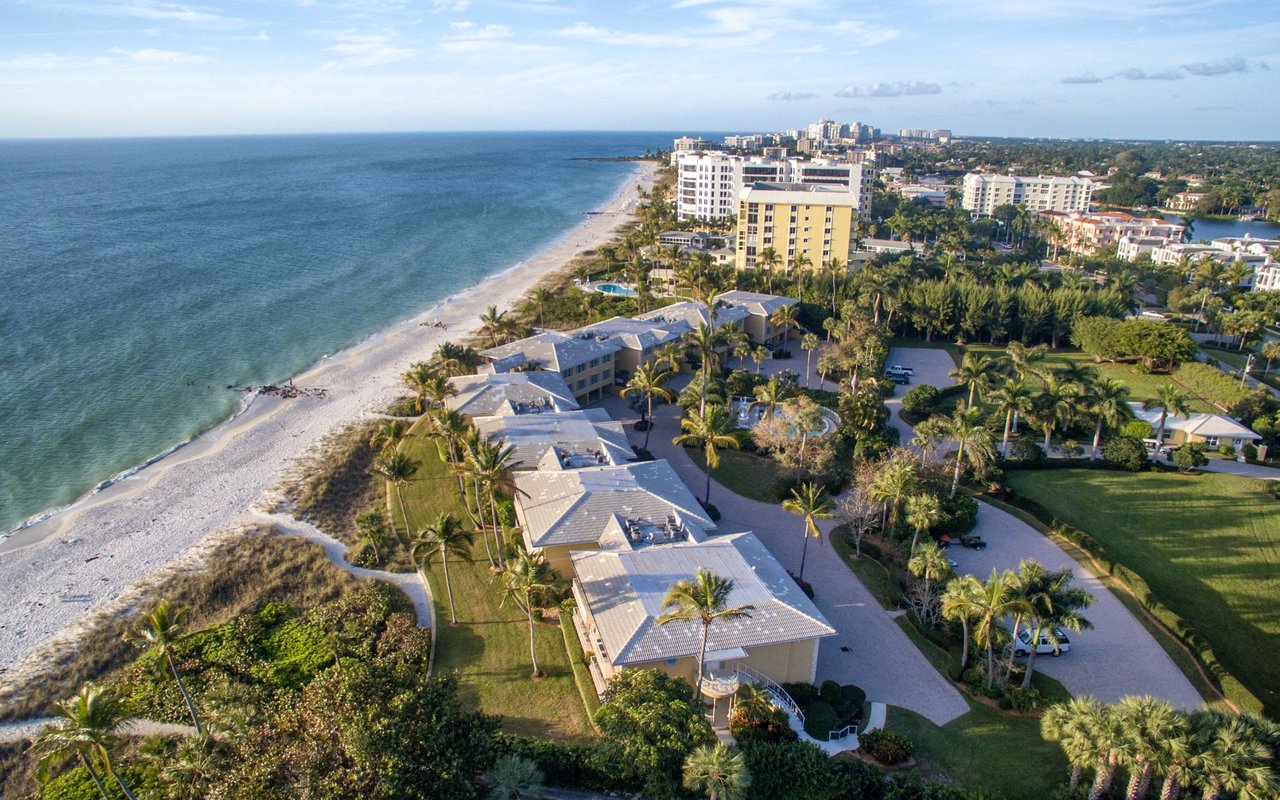
Pelican Bay is a large planned beachfront community in Naples, Florida 34108, with about 6,500 residences across 95 associations. The Pelican Bay Foundation also notes that the community includes 88 acres of parks and recreation areas and nearly three miles of white-sand beach frontage.
That mix matters because Pelican Bay was designed with different housing formats from the start. According to the Foundation, single-family homes and low-rise villas were planned to blend into the habitat, while high-rise condominiums were set back from the beach so Gulf access could coexist with mangroves and the estuary system.
Start With How You Will Use It
Before you compare floor plans, start with your day-to-day goals. The best choice usually comes down to how often you will be here, how much privacy you want, and how involved you want to be with upkeep and approvals.
If you want a seasonal residence with a simpler lock-and-leave setup, a condo may fit best. If you want a more house-like feel but less maintenance than a detached property, a villa may offer a useful middle ground. If privacy, outdoor space, and flexibility matter most, a single-family home may be the stronger fit.
Pelican Bay Condos
Why Buyers Choose Condos
Condos in Pelican Bay often appeal to buyers who want easy access to the community’s broad amenity package. The Foundation highlights beach services and tram access, beach dining, racquets facilities, fitness programming, boardwalks, and fiber-optic connectivity for condos and single-family homes.
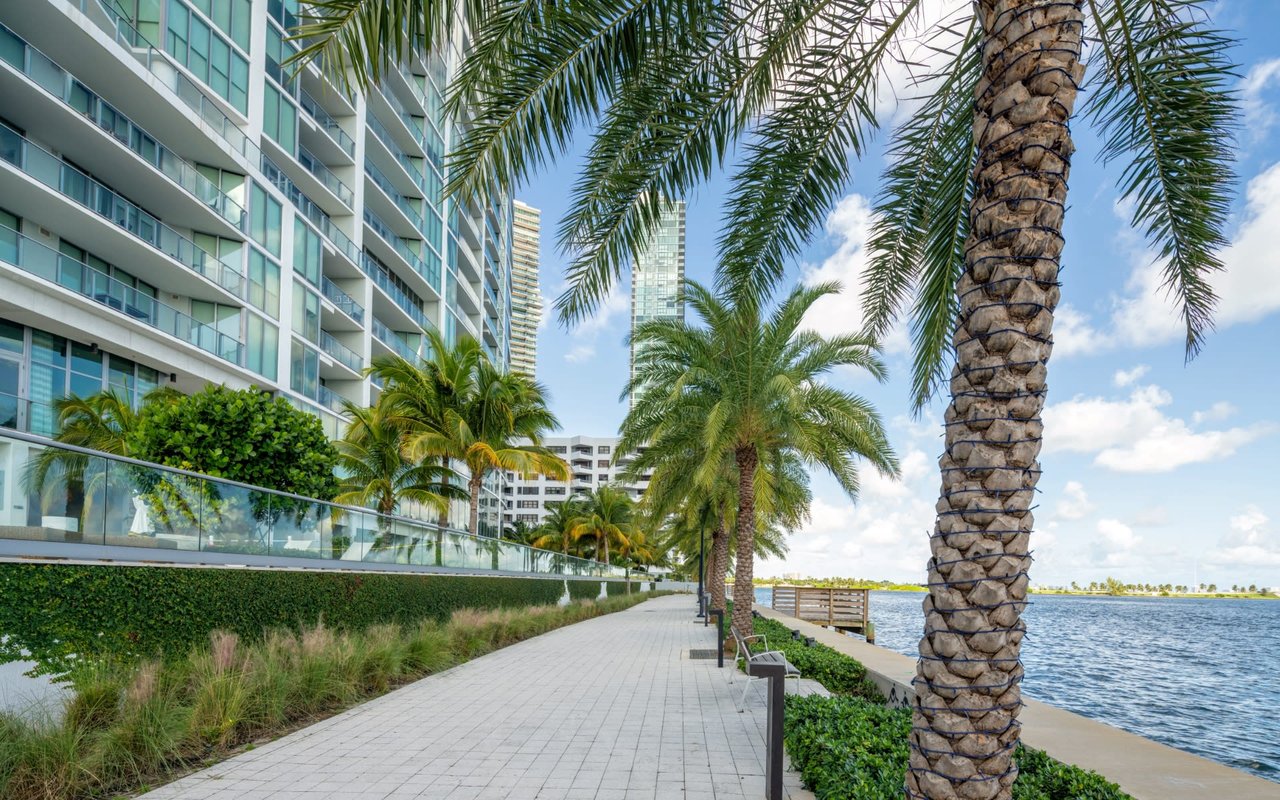
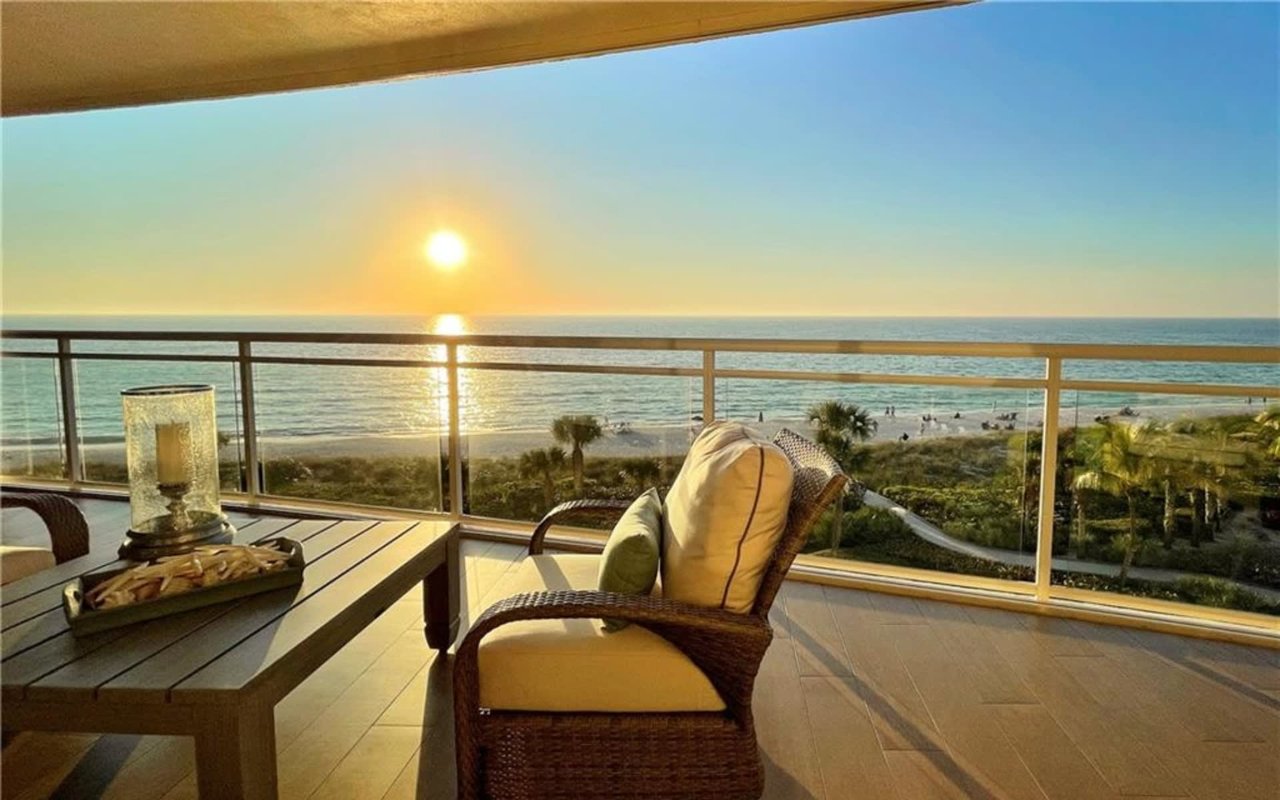
High-rise condos are often the top choice for buyers who value views, beach access, and a simpler seasonal footprint. Low-rise condos can offer a different rhythm, often sitting between tower living and villa living in feel and scale.
What to Review Carefully
In Pelican Bay, not all condos function the same way. With 95 distinct associations, your experience may depend more on the exact building than on the general condo category.
That means you should compare the real details, including floor plan, parking, storage, access, and budget. It is also smart to review the current declaration, bylaws, reserve disclosures, lease rules, pet rules, and renovation procedures for the specific association.
High-Rise Condo Considerations
For many multi-story condominium buildings in Florida, reserve funding and inspection history are especially important. The research report notes that milestone inspections apply to condo and co-op buildings that are three habitable stories or higher when they reach 30 years of age.
It also notes that structural integrity reserve studies are required at least every 10 years for condo buildings that are three habitable stories or higher. For buyers, that makes building-level compliance, reserve strength, and common-area condition essential parts of the decision.
Pelican Bay Villas
Why Villas Appeal
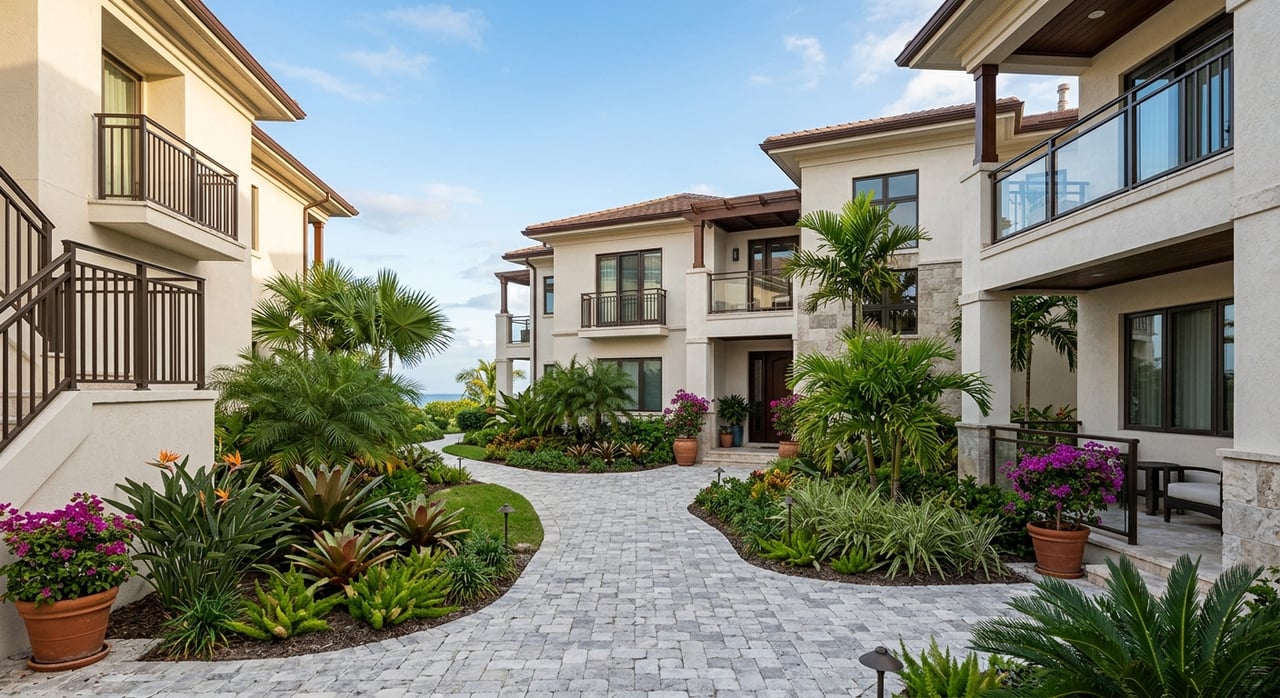
Attached villas often attract buyers who want more of a residential feel without taking on the full maintenance profile of a detached home. In Pelican Bay, villas are part of the community’s original plan and low-density identity.
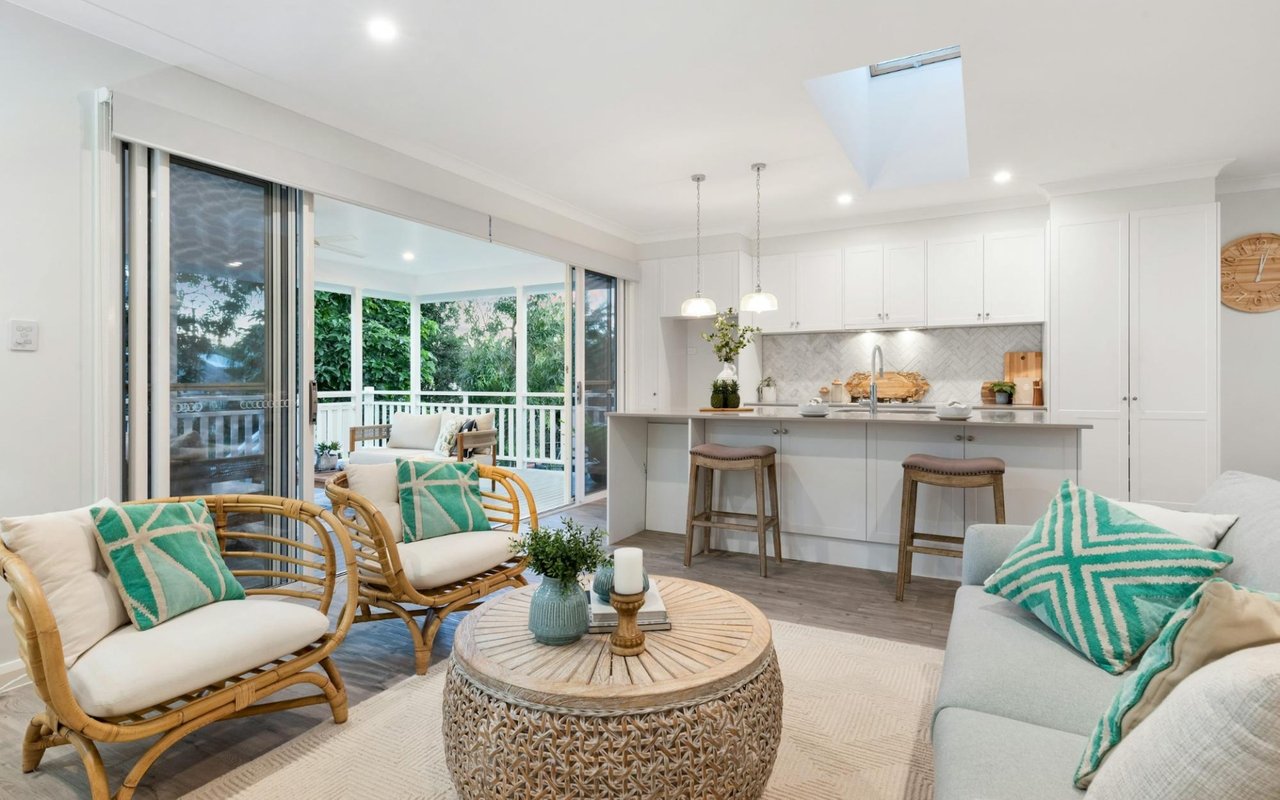
That can make villas a strong option if you want a comfortable balance of privacy and convenience. You may get a more house-like layout while still staying within a managed association structure.
Where Villas Fit Best
A villa may make sense if you expect to spend longer stretches in Pelican Bay and want a layout that feels less vertical or building-oriented than a condo. It can also be appealing if outdoor living matters to you, but you still prefer less responsibility than a single-family property typically brings.
As with condos, the exact rules and costs depend on the association. In a community with so many separate associations, it is important not to assume one villa neighborhood works exactly like another.
Pelican Bay Single-Family Homes
Why Buyers Choose Homes
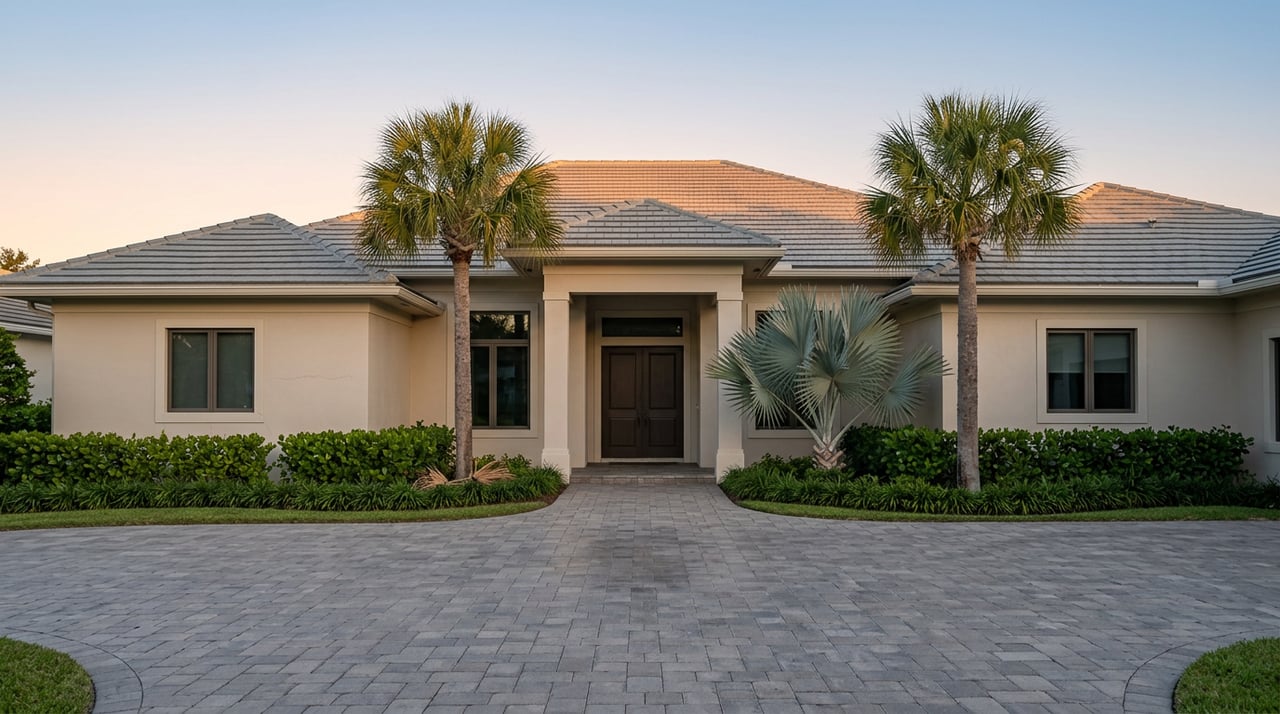
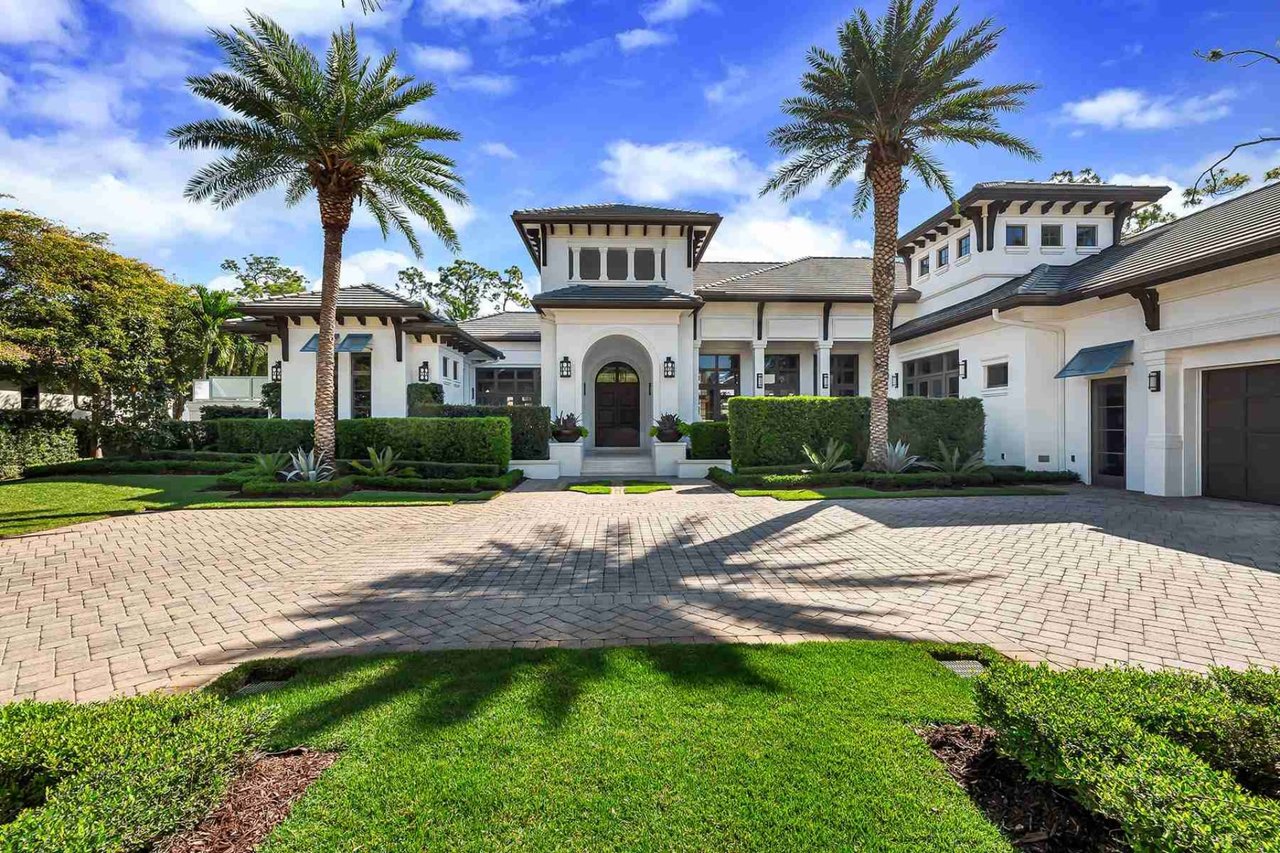
Single-family homes usually offer the most privacy, outdoor space, and flexibility. If you value room to spread out, a more independent setting, or a property that feels tailored to full-time living, this category often stands out.
For some buyers, a detached home is also the best fit when long-term use is a priority. If you plan to be in residence often and want more control over your environment, a home may support that lifestyle better than a condo or villa.
The Tradeoff to Understand
More independence does not mean fewer rules. The Pelican Bay Foundation notes that there are design-review and covenant procedures for single-family and individual-unit owners.
That means exterior changes and larger projects can be more involved than they would be in a neighborhood made up only of detached homes. If renovations or major updates are part of your plan, it is wise to understand those procedures early.
Costs, Dues, and Membership
Every property owner in Pelican Bay is a member of the Pelican Bay Foundation. The Foundation also states that it is a homeowners association under Florida law.
That shared membership is important because your ownership costs are layered. You may have Foundation-related charges, plus dues and obligations tied to your specific condo or neighborhood association.
The FY2026 Foundation budget calculates an annual operating assessment of $2,083 per assessable unit and shows a proposed total annual assessment estimate of $3,295 when reserve and bulk-media components are included. The research report also notes that the FY2024-2025 estoppel listed an annual assessment of $2,675, or $668.75 per quarter.
For resale purchases, the Foundation also publishes a $10,000 capital resale fee. There is also a one-time resale capital assessment exemption for current property owners who move from one Pelican Bay property to another, if they have not used that exemption before.
Approval and Transfer Details
The Foundation’s estoppel materials state that it does not require approval for transfer of a unit and does not have a right of first refusal. Still, condo sub-association approval may be required.
This is one reason buyers should look beyond the main community name. In Pelican Bay, the sub-association often shapes the practical ownership experience just as much as the property type itself.
How to Compare Your Options
Choose a Condo If You Want Simplicity
A condo may be the best fit if your top priorities are easy seasonal use, beach access, and a more streamlined ownership footprint. This can be especially true if you prefer shared-building living and do not need as much private outdoor space.
The key is to review the building, not just the unit. In tower-style condos especially, inspection history, reserve planning, and common-area condition deserve close attention.
Choose a Villa If You Want Balance
A villa often works well if you want a middle ground. You may prefer something that feels more like a home than a condo, while still avoiding some of the broader maintenance and project responsibility that can come with a detached property.
For many buyers, this category offers a practical blend of ease and livability. It is often worth comparing villas directly against low-rise condos to see which layout and association structure better matches your routine.
Choose a Home If You Want Space
A single-family home may be the right answer if privacy, flexibility, and outdoor living are at the top of your list. This option often makes the most sense for buyers who expect to use the property more regularly or want more control over how the property functions over time.
That said, more space often comes with more oversight and more moving parts. Design review, covenants, and project planning should be part of your evaluation from the beginning.
A Smart Showing-Day Checklist
When you tour options in Pelican Bay, it helps to compare them the same way each time. A clear checklist can keep emotions from outrunning the details.
- Confirm the exact association name and what dues it collects
- Ask for the current estoppel, budget, reserve study, and any milestone-inspection summary if the building is a multi-story condo
- Compare the actual floor plan, balcony or outdoor area, parking, storage, and elevator or stair access
- Review lease, pet, renovation, and approval rules before making an offer
The Bottom Line
Pelican Bay is not one housing product. It is a planned coastal community with different ownership styles, and each one asks you to make a different trade between privacy, space, maintenance responsibility, and association complexity.
The right fit is the one that supports the way you actually live. If you want a private, informed conversation about how a Pelican Bay condo, villa, or home may align with your goals, Amy Nease can help you evaluate the details with clarity and discretion.
FAQs
What is the main difference between a Pelican Bay condo, villa, and home?
- A condo often offers the simplest seasonal setup, a villa typically provides a more house-like feel with less maintenance than a detached property, and a single-family home usually offers the most privacy, outdoor space, and flexibility.
What should you review before buying a condo in Pelican Bay?
- You should review the specific association’s budget, reserve disclosures, bylaws, lease rules, pet rules, parking and storage details, renovation procedures, and, for many multi-story buildings, milestone-inspection and reserve-study information.
Do all Pelican Bay owners belong to the Pelican Bay Foundation?
- Yes, the Pelican Bay Foundation states that all property owners within Pelican Bay are members.
Are Pelican Bay dues the same for every property type?
- No, buyers should verify current Foundation assessments and also review the separate dues and financial documents for the specific condo or neighborhood association.
Is there a resale fee when buying in Pelican Bay?
- Yes, the Foundation publishes a $10,000 capital resale fee, and there is also a one-time exemption available for some current Pelican Bay owners moving from one Pelican Bay property to another if they have not used it before.
Do Pelican Bay transfers require approval?
- The Foundation states that it does not require approval for transfer of a unit and does not have a right of first refusal, but a condo sub-association may still require approval.
Why are association documents so important in Pelican Bay?
- Pelican Bay has 95 distinct associations, so the exact ownership experience can vary significantly based on the building or neighborhood’s rules, finances, reserves, and procedures.