If you have a contract on a home in Pelican Bay right now, here is the question worth asking your closing agent before anything else: what date will the deed actually record with Collier County?
Not your closing date. Not the date printed on your contract. The recording date, the moment the county clerk stamps the transfer into the Official Records, is the only fact that decides whether you pay Pelican Bay's outgoing $10,000 resale assessment or the $15,000 version that takes its place on October 1.
The Number Everyone Will Talk About
The Pelican Bay Foundation Board of Directors has approved a resolution raising the Capital Resale Assessment from $10,000 to $15,000, effective October 1, 2026, and the increase doesn't stop there. Beginning October 1, 2027, the assessment will adjust upward automatically by 3.5% every year. That's a 50% jump in one step, followed by a permanent inflation ratchet.
Most people who hear about this will fixate on the dollar figure. That's the wrong number to obsess over. The Foundation's own notice buries the more consequential detail in a single sentence: the deciding factor is the date the transfer of legal title is recorded, and nothing else counts, not the date you signed, not the date you sat at the closing table, not any milestone in between.
What Actually Decides Which Fee You Pay
The Foundation has been explicit about this because it anticipates confusion. Its guidance states plainly that the new $15,000 assessment applies to any fee-eligible transfer recorded in Collier County's Official Records on or after October 1, 2026, regardless of when the contract was written or when the closing itself occurred.
That distinction matters more than it sounds like it should. Closings and recordings are not the same event. A title company can close a transaction on September 29 and still not have the deed recorded until a day or two later, especially with a holiday or a backlog at the clerk's office. If you're counting on a September closing date to lock in the current $10,000 fee, you're relying on a step you don't control. The people who do control it are your title company and the county clerk, and the only way to know where you stand is to ask directly.
Can the Market Actually Beat the Clock?
Here's where the timing problem compounds. Pelican Bay's own sales data suggests that anyone listing a home today has very little chance of closing, let alone recording, before September 30.
Over the three months ending June 2026, the median time to sell a Pelican Bay home ran 70 days, up from 63 days over the same stretch a year earlier. That's the community-wide median across a market made up of roughly 95 individual associations, from high-rise towers to villas, and it's already trending slower than it did twelve months ago. Add the standard 30 to 45 days most Florida closings need to move from signed contract to funded and recorded transaction, and the math doesn't work for a listing that hits the market this week.
That doesn't mean the deadline is irrelevant to sellers who aren't already under contract. It means the leverage runs the other direction. A buyer weighing two comparable Pelican Bay units, one that can close before October 1 and one that can't, has a real, quantifiable reason to prefer the first. Sellers already under contract with a September closing date have something worth confirming in writing with their title company. Sellers just now considering a listing should assume their buyer will be the one paying $15,000, not $10,000, and should factor that into how they price and negotiate.
Pelican Bay's first quarter of 2026 saw 99 closed sales, up from 89 in the same period a year earlier, so demand hasn't disappeared. It has just slowed down at the individual transaction level, which is exactly what makes a hard date like October 1 so unforgiving.
The Costs Beyond the Resale Assessment
The resale assessment is only one piece of what a Pelican Bay buyer actually pays to own here, and the other layers also contribute to the overall cost of ownership.
| Cost Layer | Who Sets It | What It's Currently Running |
|---|---|---|
| Capital Resale Assessment | Pelican Bay Foundation | $10,000 through September 30, 2026; $15,000 starting October 1, 2026 |
| Foundation Annual Assessment | Pelican Bay Foundation | $3,295/year ($823.75 per quarter) for FY2026 |
| Pelican Bay Services Division | Collier County (billed on the tax bill) | Roughly $996 per parcel, FY2025 example |
| Building HOA Dues | Each individual association | Ranges from roughly $1,500 to $4,000 per month in staffed high-rises down to $2,500 to $10,500 per year in villa communities |
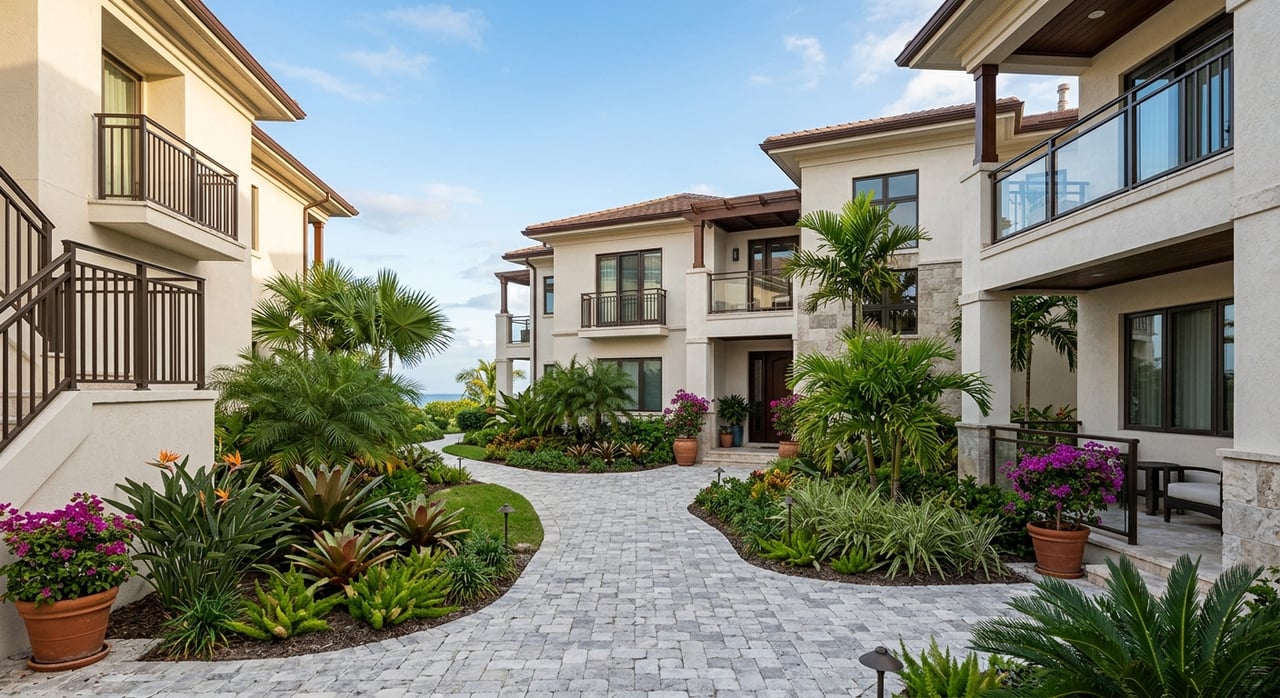
That building-level line is where the real variation lives. A unit in Marbella comes with a concierge, room service, formal and informal dining rooms, and an on-site beauty and barber shop, all funded through that building's own dues. A unit in Serendipity, a 66-unit Gulf-side low-rise with its own pool and clubhouse, or in Calais, a 131-residence community with its own board, carries a leaner operating model and a correspondingly lighter monthly bill. The Stratford, a 22-story tower of 81 residences at the community's southern edge, sits closer to the high-rise end of that spectrum even though it's a smaller building than some of its neighbors.
None of that variation shows up in a portal listing. It shows up in the estoppel, which is exactly the document a buyer or seller should be requesting well before the fee changes on October 1.
Who Gets a Pass
The Foundation's bylaws carve out a handful of exemptions from the Capital Resale Assessment, and they remain in place under the new fee structure. Transfers by gift, by inheritance, or into a trust can qualify. So can a one-time exemption available to existing Pelican Bay owners who are purchasing another property within the community, provided they meet the eligibility requirements and file within the applicable deadlines.
That exemption is worth more starting October 1 than it was the day before. An owner who has never used it and is now weighing a move within Pelican Bay is effectively looking at a $15,000 decision instead of a $10,000 one if they wait past the deadline to close.
What the Money Actually Funds
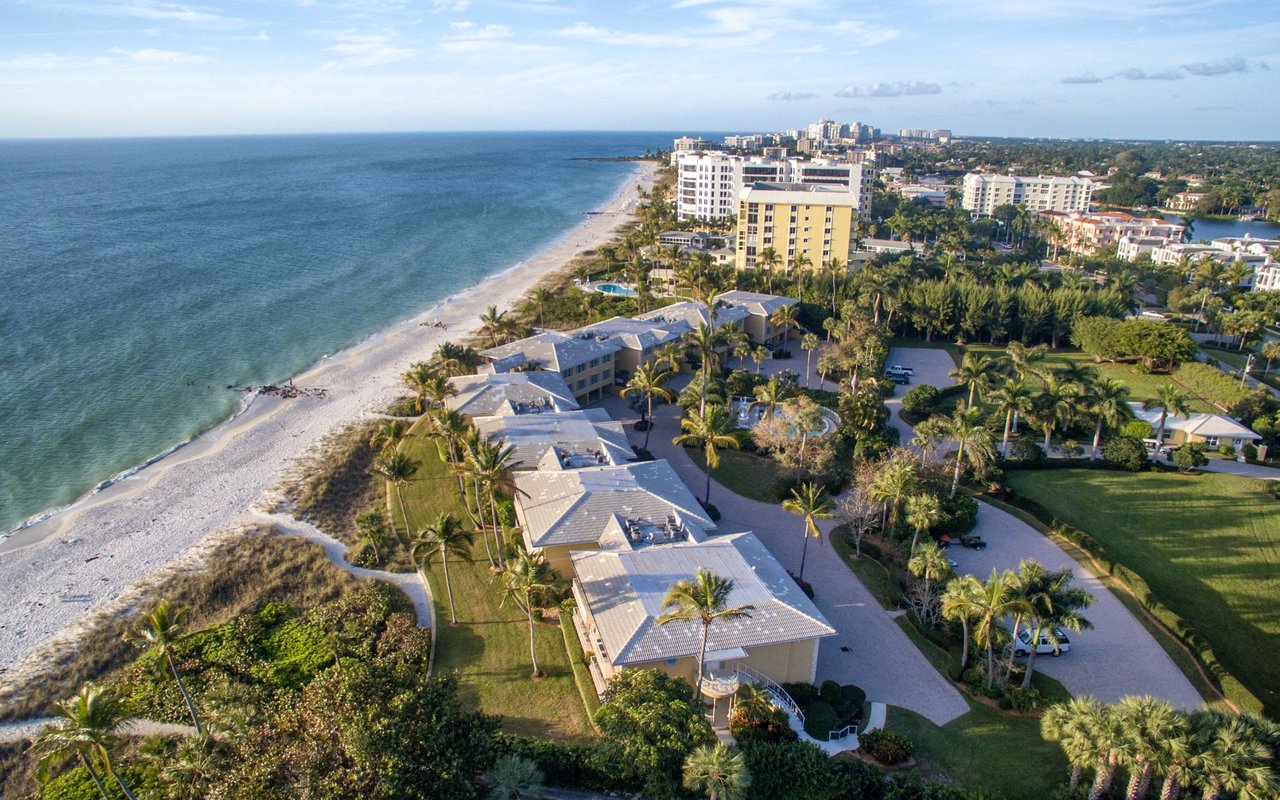
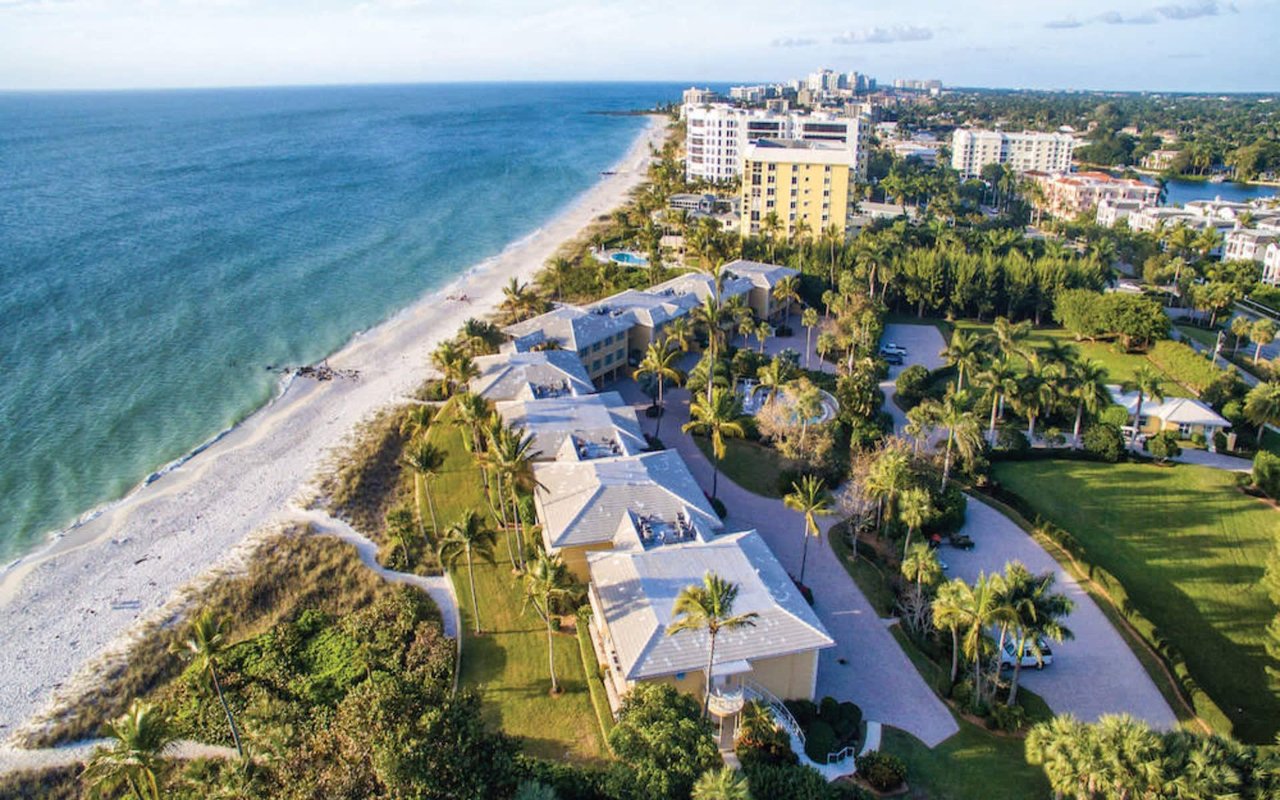
It's easy to treat a resale fee as an abstraction until you see what it supports. The Capital Resale Assessment funds capital improvements across the roughly 6,500 residences the Foundation oversees, the same infrastructure that includes the electric tram network carrying an estimated 900,000 trips a year to the beach, the beachfront dining at Marker 36 on North Beach and Sandbar on South Beach, and the 18 Har-Tru tennis courts that are part of the racquets program. None of that is Club Pelican Bay, which remains a fully separate, privately member-owned club with its own 27 holes of championship golf and a 50,000-square-foot clubhouse completed in 2017. Owning property in Pelican Bay has never included Club membership, and that hasn't changed with this fee adjustment.
What This Means If You're Transacting Right Now
If you're a buyer with a signed contract and a closing scheduled for late September, get written confirmation from your title company about when they expect the deed to actually record, not just when they expect to close. Ask whether the closing date has any buffer built in.
If you're a seller with a home already under contract, that same conversation protects you from a buyer who discovers at the eleventh hour that their costs just rose by $5,000 and comes back to the table.
If you're listing a home now, price in the reality that most Pelican Bay transactions won't record before October 1, and that your buyer will be working with the new fee as part of their total cost of ownership from day one.
Frequently Asked Questions
If my contract was signed before October 1, does the old $10,000 fee still apply? No. The Foundation has stated that the contract date is not the determining factor. Only the date the transfer records in Collier County's Official Records controls which fee applies.
Is the resale assessment negotiable between buyer and seller? The Foundation sets the amount and it isn't negotiable with the Foundation itself, but which party in the transaction actually pays it is a term that can be addressed in the purchase contract like any other closing cost.
Does this fee increase affect Club Pelican Bay membership costs? No. Club Pelican Bay operates entirely separately from the Foundation, with its own initiation fees, dues, and waitlist. The Capital Resale Assessment only applies to Foundation membership, which comes with every property in Pelican Bay.
What happens after the 3.5% annual increases start in 2027? The assessment will adjust automatically each October 1 beginning in 2027, so the fee a buyer pays two or three years from now will already reflect an automatic adjustment above the new $15,000 baseline.
Fee stacks like this one are exactly the kind of detail that gets lost between an MLS listing and a closing table, which is why buyers and sellers in a community as layered as Pelican Bay benefit from having someone read the estoppel before they sign, not after. If you're weighing a move in or out of Pelican Bay before this deadline or beyond it, Amy Nease can walk through exactly what your specific transaction looks like. Request a private consultation to get the numbers straight before you're at the closing table.
This article is general information, not legal, tax or financial advice. Consult a qualified professional about your situation.